What Does Türkiye See Beneath the Black Sea’s Line?
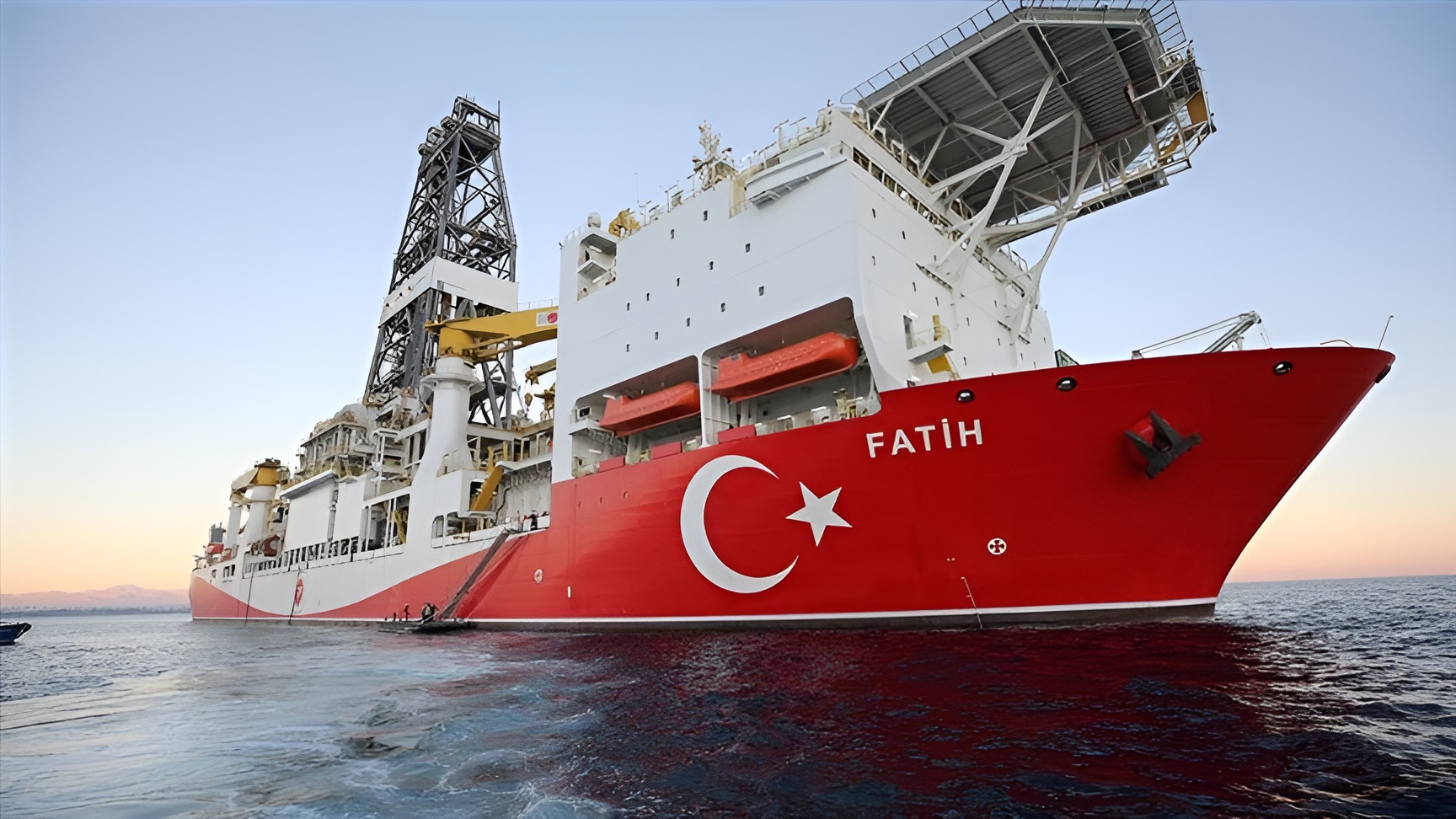
In my earlier analysis, I outlined how energy corridors, coastal routes and unmanned systems have built a new security frame across the Black Sea. That picture offered an entry point. The real story lies in the quiet competition under the surface. This second part turns to deepwater lines, cables, sensors and the diplomatic traffic shaped by this evolving architecture.
The region no longer fits the boundaries of a patrol-based security model. The load carried by fiber networks, the data transmitted through undersea cables, the chain formed by gas transmission lines and the systems guarding that chain now influence the economic and political resilience of states. A single disruption in energy flow or data transmission produces consequences that reach well beyond the technical realm. The Black Sea’s underwater geography has become a strategic layer in international affairs.
Signals and Sensors
The war in Ukraine turned energy infrastructure into both a target and a pressure tool. Refineries, transmission hubs and critical facilities absorbed heavy strikes in the early phase of the conflict. Over time, the competition shifted. Irregularities in sensor readings, drone signals moving along the coastline and reports of unusual activity near cable routes reveal a landscape moving beyond familiar patterns.
MAGURA-class unmanned vehicles reaching Türkiye’s shoreline, including the incidents in Artvin and Trabzon, underscored how coastal security and deepwater networks operate as parts of the same structure. Even brief pauses in port operations influence trade and energy transport. Every signal detected in the Black Sea now carries diplomatic weight. Some capitals respond with sharp statements; others manage the process through steady, low-profile engagement.
Undersea cables carry a burden that defines today’s security environment. Banking networks, defense communication, public services and energy trade all depend on these lines. Damage to them generates political consequences that often exceed the economic cost. The European Union’s growing attention to this issue reflects a shift in the region’s security outlook. Türkiye’s geography and technical capacity place it near the center of these discussions.
Türkiye Between Washington and Moscow
Ankara’s engagement with Washington and Brussels has shaped the diplomatic ground for this new period. The U.S. Black Sea Security Act seeks more structured coordination across the region. NATO’s data-sharing efforts on undersea threats have become more consistent. With its long coastline, transit role and logistical weight, Türkiye’s presence in the Black Sea is harder to overlook.
After the Trump–Erdoğan meeting, Washington’s interest in the Black Sea and energy files increased. White House discussions calling for reduced purchases of Russian oil and gas, as well as support for U.S. LNG and joint projects, created room for new initiatives. This shift pushed Türkiye into a more visible position across both security and energy channels. U.S. messaging aligned with a broader push to limit Russia’s influence and reinforce the protection of underwater networks.
This atmosphere shaped Moscow’s tone as well. Movements around undersea lines, sensor routes and broader concerns about energy flow prompted Russian officials to approach their talks with Ankara with greater caution. On one side, the United States expects stronger safeguards in energy security; on the other, Türkiye continues its gas negotiations with Russia. This dual track produced a wider diplomatic field with a higher risk threshold. Each technical decision in the Black Sea now echoes through Washington–Moscow diplomacy.
Türkiye’s Technical Posture
Türkiye’s recent steps to expand its own capacity form another pillar of this landscape. Renewed seabed sensors, enhanced monitoring of fiber lines, the adaptation of unmanned underwater systems to defense use and expanded mine-countermeasure capabilities all strengthen the country’s position both at sea and at the diplomatic table. States that maintain uninterrupted energy flow hold greater leverage in alliances.
The economic dimension has also become more visible. Europe’s efforts to diversify energy sources, expand LNG investment and reduce dependence on Russia have increased Türkiye’s strategic value. Pipeline routes, LNG terminals and storage capacity form a stabilizing anchor for Europe’s energy security. With Black Sea undersea lines under strain, Türkiye’s capabilities have gained additional weight.
Russia’s Black Sea strategy requires its own scrutiny. The military footprint in Crimea, the movement of unmanned systems and the use of energy infrastructure as leverage reflect a blend of old reflexes and new geopolitical calculations. Every incident recorded in the Black Sea points to a long-term political choice rather than a momentary maneuver.
Final Lines
The map unfolding across the Black Sea is shaped by the rhythm of patrols, the vulnerability of underwater networks, the movements tracked by sensors and the diplomacy linking major capitals. Türkiye’s role grows not through geography alone but through the scale of responsibility it carries. Each signal, each contact, each unusual reading sharpens the strategic line in front of Ankara.
Türkiye sees a new test in the deep layers of the Black Sea — a contest where technical movement reveals shifts in regional power. Control of energy flow is becoming a form of political influence, and those who safeguard the networks shaping that flow will hold a stronger voice.
The region now demands a mindset that moves beyond map lines: a framework that reads the rhythm of energy transmission, the integrity of underwater routes, the direction of regional competition and the balance sought at diplomatic tables.
This piece marks the second step of that broader analysis. The next chapter will turn to the political economy of the Black Sea, the debates shaping maritime law and Türkiye’s energy transition vision. The region leaves new traces every day. We will keep following them.