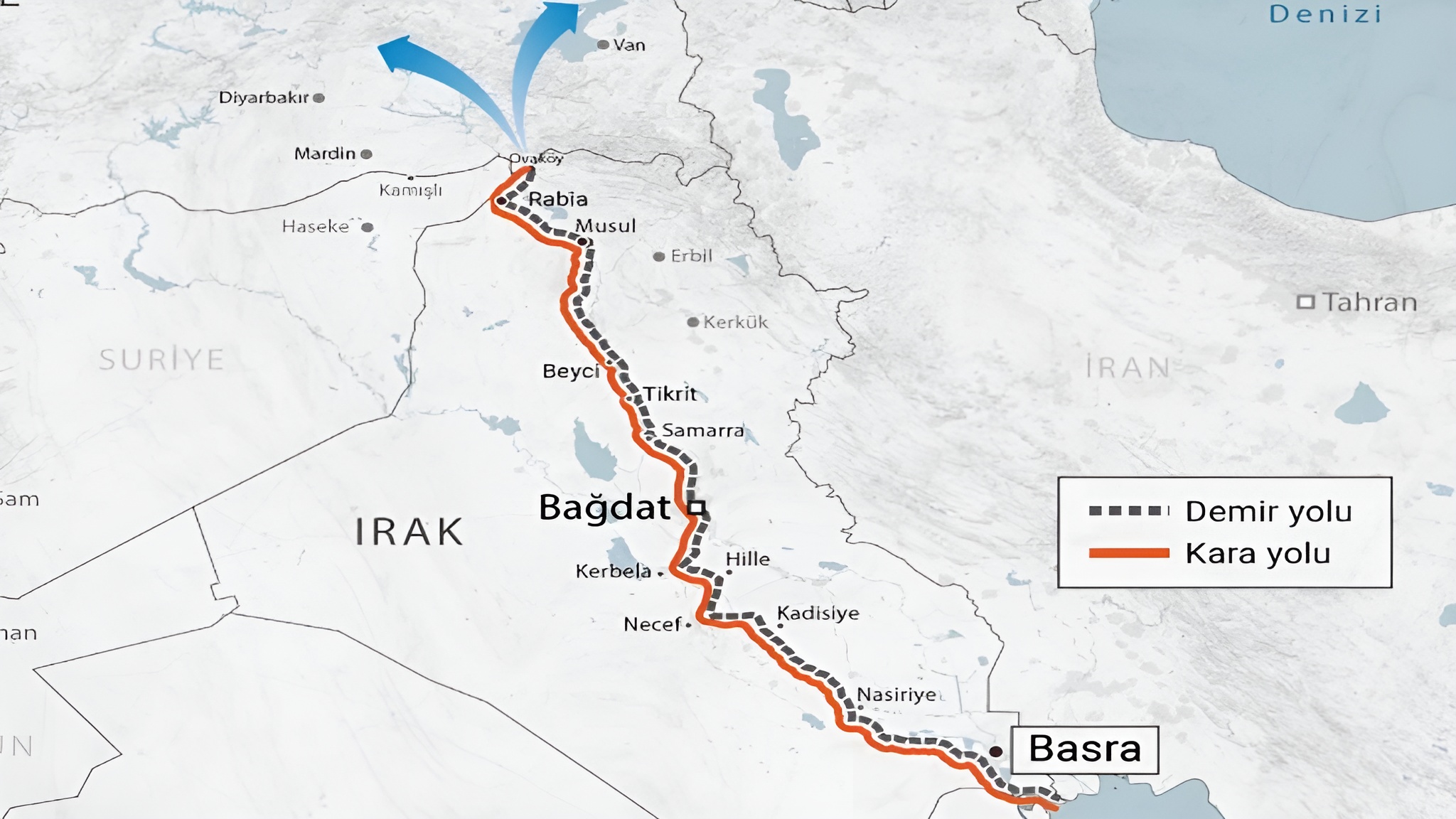
Let’s end the article by briefly touching on possible threats to the Development Road: Kurdish terrorism and Iran’s Shiite militias will certainly see benefits for themselves in sabotaging the line. To prevent such possible sabotage, Turkey may conduct a new military operation in Iraq. Projects like the Development Road create wide repercussions and can spark major conflicts. I sincerely hope this business leads to a place where our country’s security is reinforced, its trade and wealth increase, and its say in world politics becomes weightier. May Turkey’s fortune be bright.
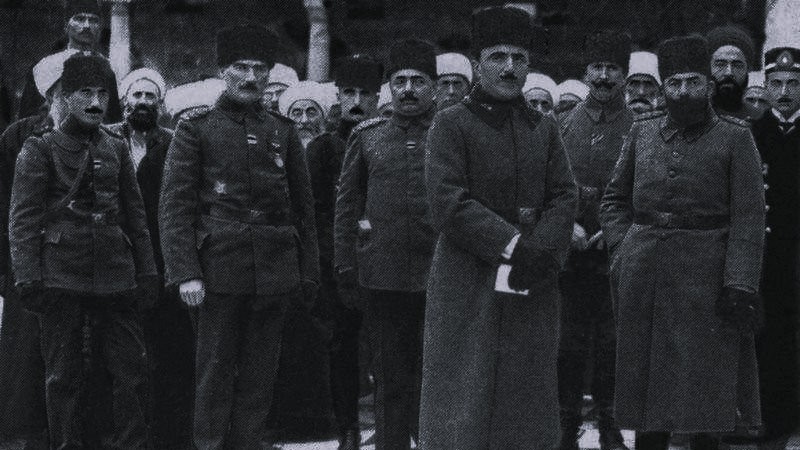
A vulnerability is forming due to strategies we follow by staying away from practical results, and other groups wanting to take advantage of this have been raising their voices loudly in recent years, claiming they were subjected to ethnic cleansing and Genocide in the past. Fighting Armenian claims firmly will also be quite effective in cutting off these newly sprouting claims.
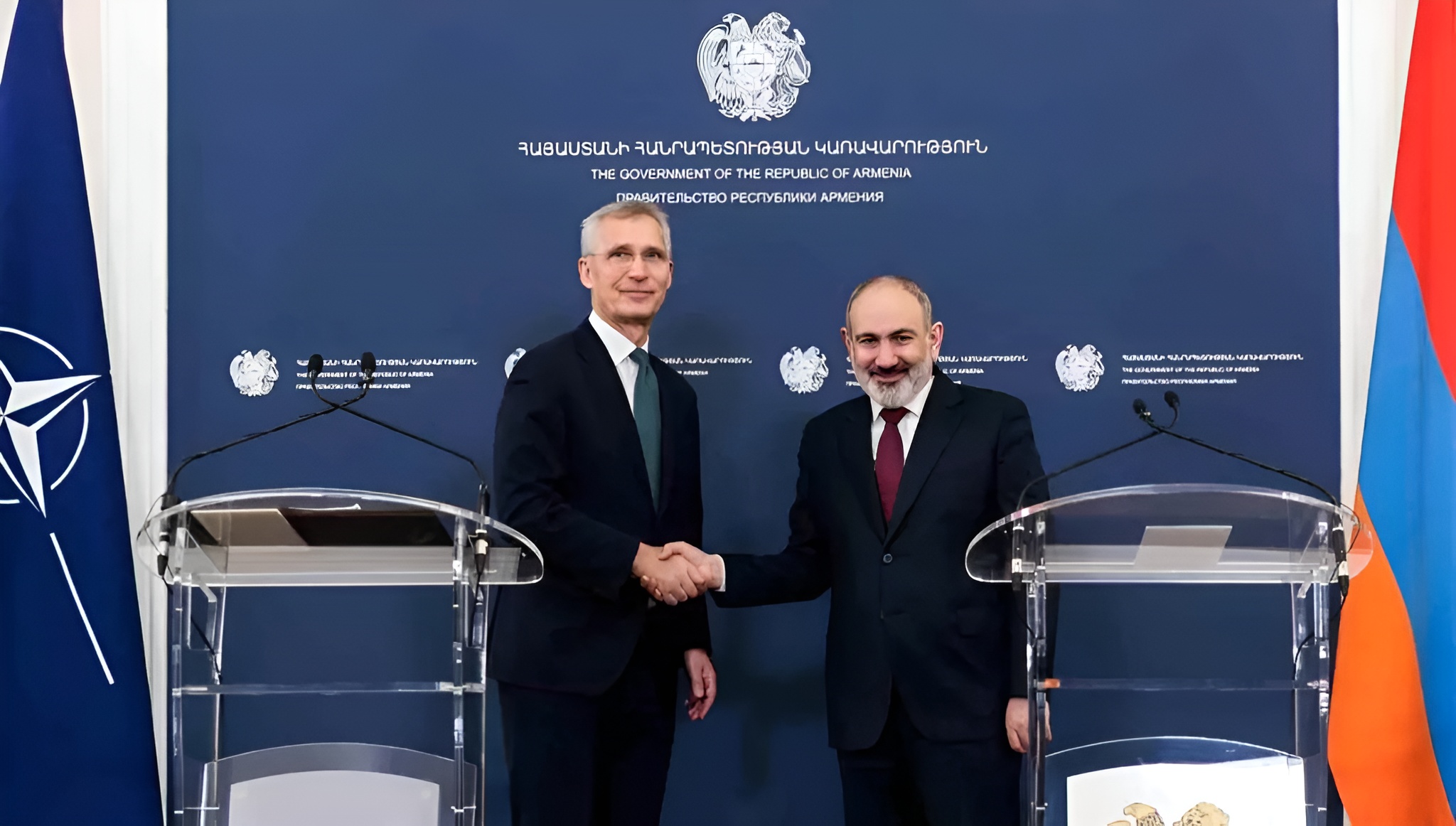
Turkey should act constructively by re-opening of the borders and signing a free trade and investments agreement in exchange for the creation of the Zangezur Corridor. That is the only option can secure peace and stability in the Southern Caucasus.

Somaliland was a British colony from 1884, while the remaining parts of present-day Somalia were under Italian colonial rule. After gaining independence in 1960, the two regions united but separated again following the Somali Civil War in 1991. However, the separatist Somaliland administration has not gained any international recognition and is still considered de jure part of Somalia.
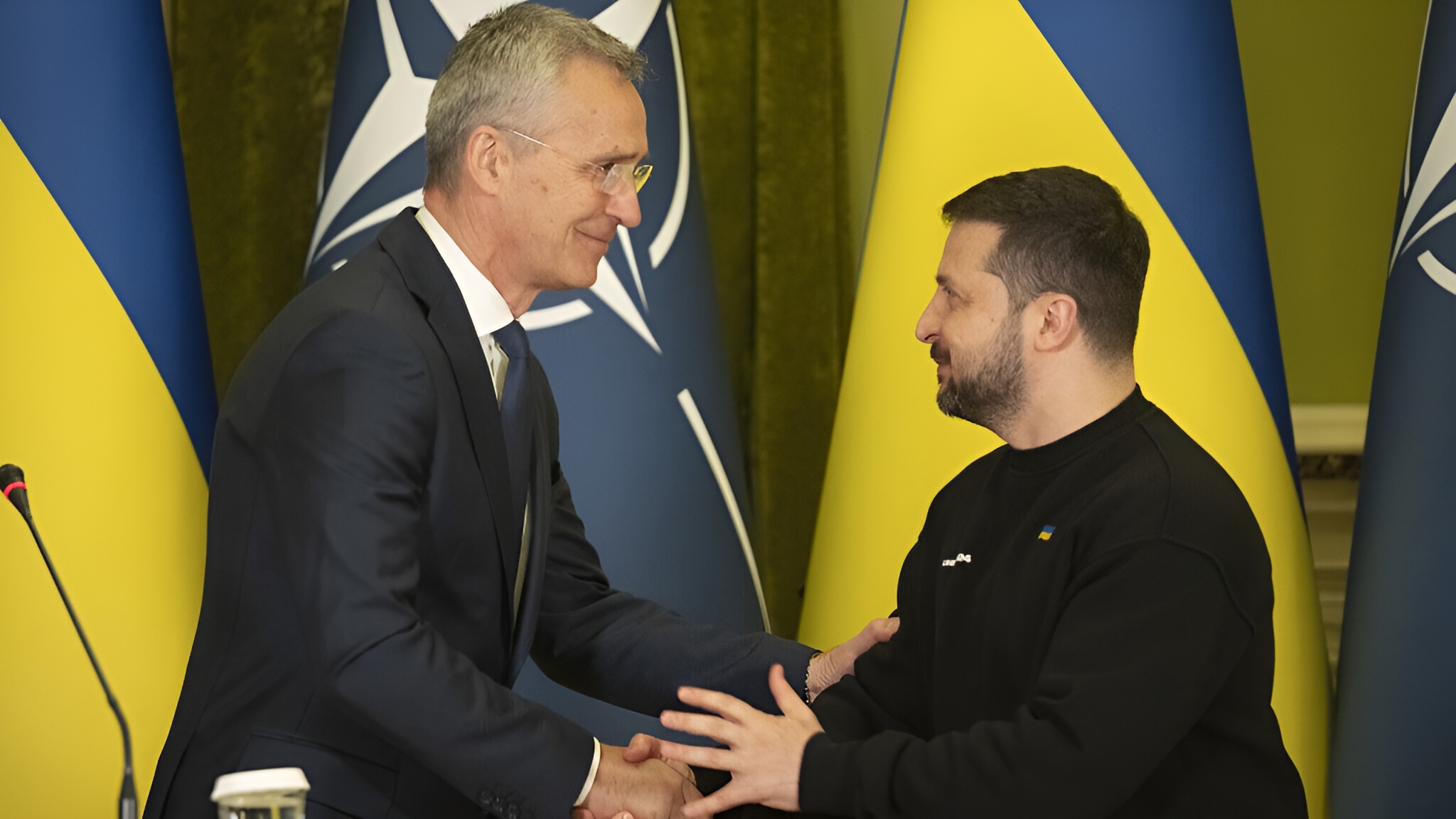
Turkey has faced two consequences of this situation before. The lack of expected NATO support after the downing of the Russian plane was encouraging for the martyrdom of 33 of our soldiers later in Idlib. Despite Russia not explicitly claiming responsibility and Syria being blamed in official statements, Moscow’s meaningful statements indicated who the real powers behind the treacherous attack were. For this reason, it should absolutely not be ignored that a possible NATO mobility in Ukraine could lead to more problems for Turkey in Syria where it has been left alone.

The picture that the opposition may face for 2028 will be very different from 2023: against a government that has overcome the economic crisis, primarily solved foreign policy problems, and consolidated its Alliance with a new constitution; a picture of a deformed and largely institutionally lost nationalist/idealist bloc and a Republican People’s Party with narrowed institutional alliance area is not far from us.

In summary, Turkey has faced major security threat vulnerabilities in a process where it could/should have achieved diplomatic gains. Its military deterrence will become questionable in the near future. The Turkish Air Force, which was the strongest, most qualified, most ready, most experienced, and most deterrent among regional air forces including Israel, Egypt, Saudi Arabia, Iran, and of course Greece until 10 years ago, has fallen behind in competition. Greece will have absolute air dominance in the Aegean in the next 10 years. If Turkish foreign policy continues to be managed in its current form, Greece will have capabilities to impose its theses through military means as well in the next 20 years.
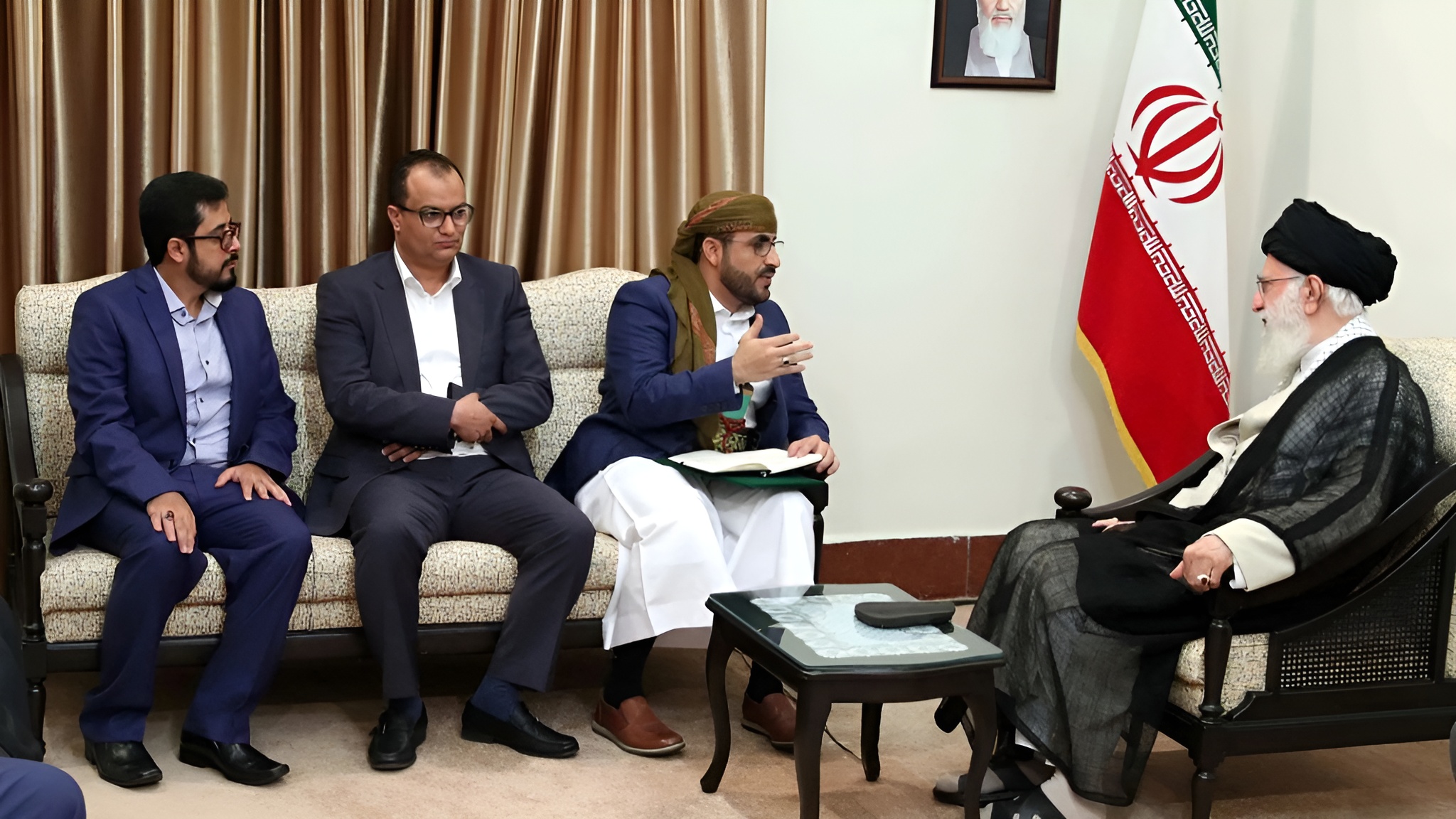
As a result, we can state that relations between Iran and the Houthis are pretty uncertain and that the steps taken by the Tehran administration have aroused some suspicions among the Houthis. Finally, although Iran has recently carried out missile attacks on points located in Pakistan, Iraq, and Syria, considering that Iran has not been involved in conventional warfare since its war with Iraq, we can determine that these attacks are of limited operation value due to being limited in scope and directed at MOSSAD and ISIS targets. Iran’s regional foreign policy has changed due to the Raisi administration coming to power and may continue to change.
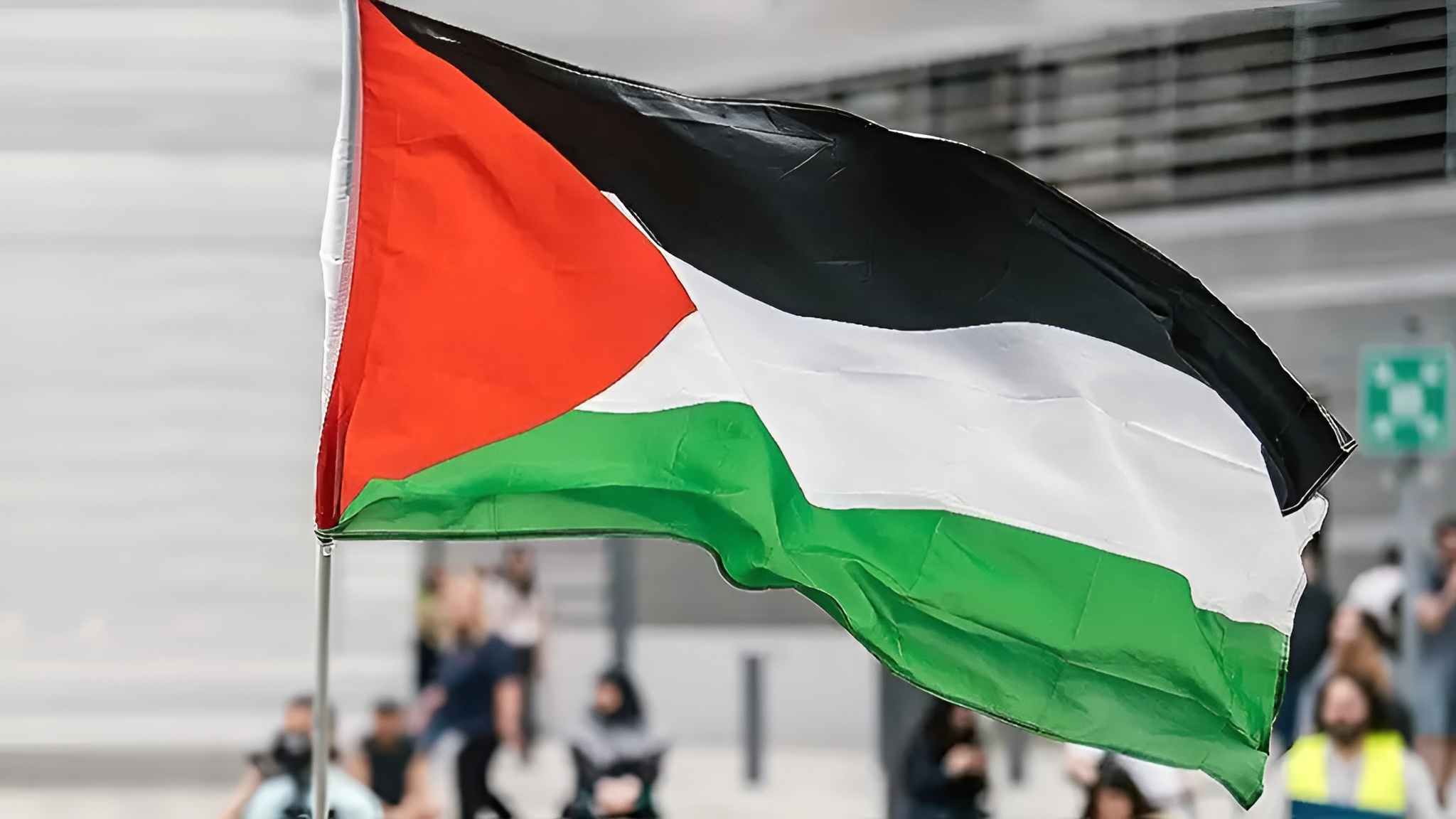
Considering the recent rapprochement between the Western World and Gulf Countries, bringing Dahlan to power in Palestine as a figure cleansed of Hamas and supported by the West could mean the restart of Israeli-Palestinian peace talks and perhaps the finalization of peace. However, it’s another mystery how Turkey will view Dahlan, who has been declared the number one state enemy in Turkey, becoming the president of the “brother” Palestinian people.