Abolishing the Gendarmerie Organization and re-establishing a modern reserve army could provide both military and societal benefits for the Turkish Armed Forces. This reform would enhance preparedness against global security vulnerabilities and war risks while strengthening societal resilience by increasing military consciousness. Examples from Central European countries, such as Switzerland, Finland, and Austria, demonstrate the feasibility of this model. By adapting these experiences to its own conditions, Turkey can create a modern and dynamic reserve army system. This reform would enhance the TSK’s operational capacity while revitalizing society’s commitment to national defense.
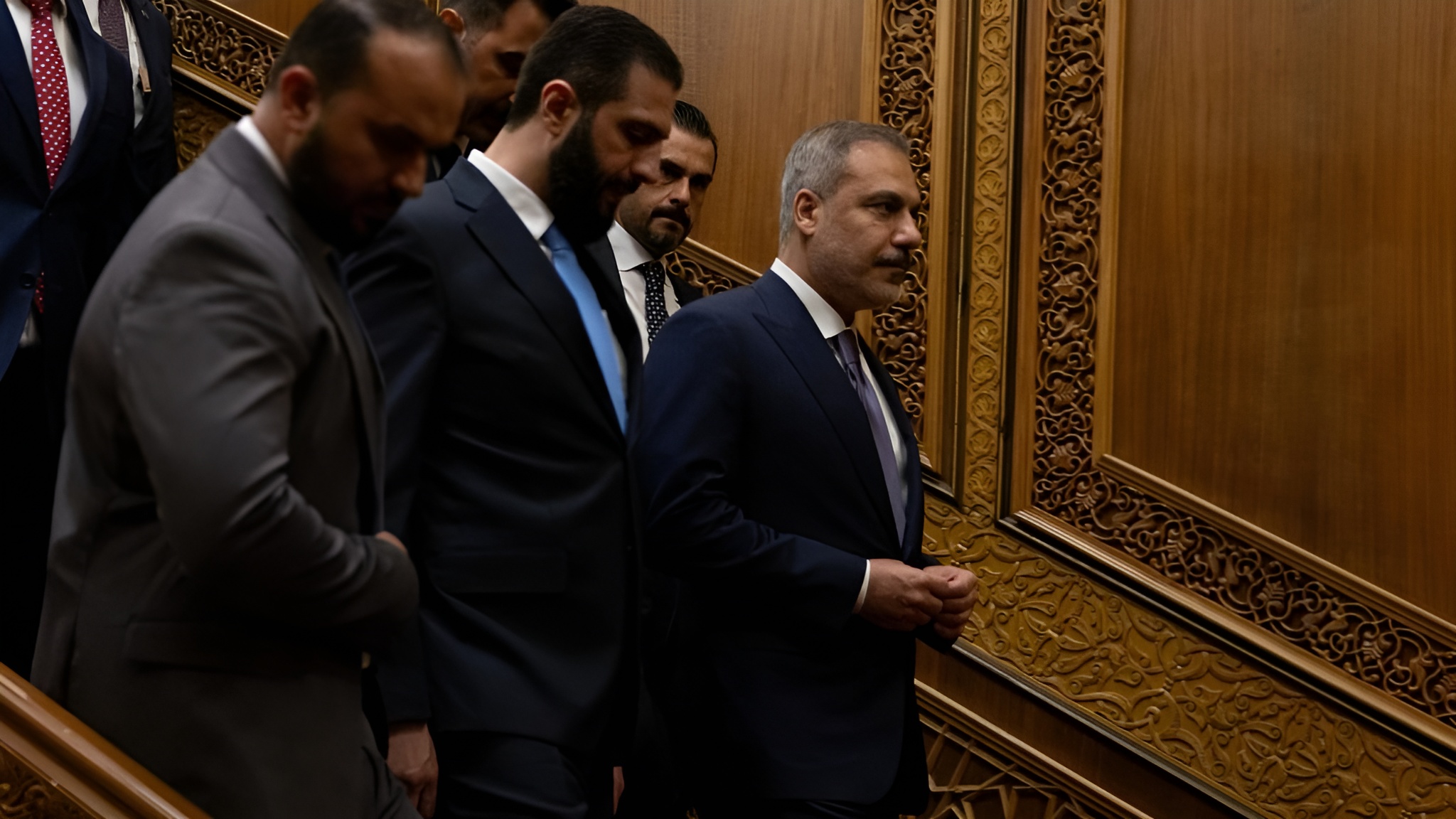
As of this writing, the four-day period granted by Damascus to the YPG has not yet expired. According to open-source data, militants from both Northern Iraq and PJAK in Iran are descending into the Hasakah region to prepare for its defense. This indicates they have not yet accepted the implementation of the agreement. Conversely, open sources show that Damascus is also massing troops in the region. Given that the YPG no longer has a land route to send militants to Kobani, there are serious signs that blood will be shed primarily for Hasakah and Qamishli. In the Middle East, the days change, but war never changes.
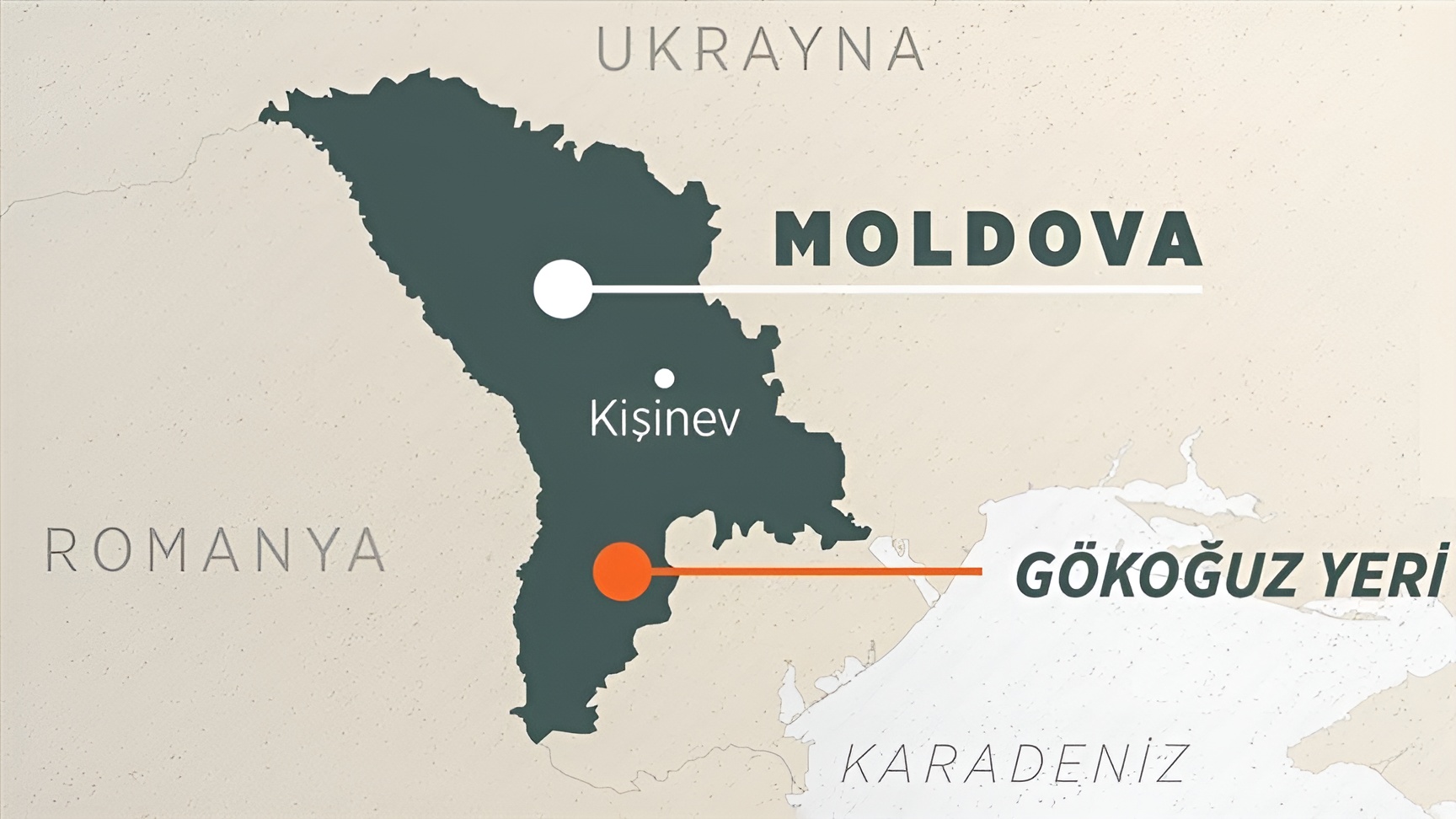
Although the unification of Romania and Moldova has been attempted in the past and is widely debated today, there is no definitive certainty regarding its realization. Taking advantage of Russia’s preoccupation with the Ukraine war to initiate efforts in this direction would be a rational move. In the event of unification, Gagauzia’s right to independence under the 1994 law holds significance not only for Gagauz Turks, but also for Türkiye and the broader Turkic world. Türkiye must fulfill its historical responsibility on this issue and begin preparations now, recognizing that even if unification remains rhetoric for the moment, the region may one day become independent.
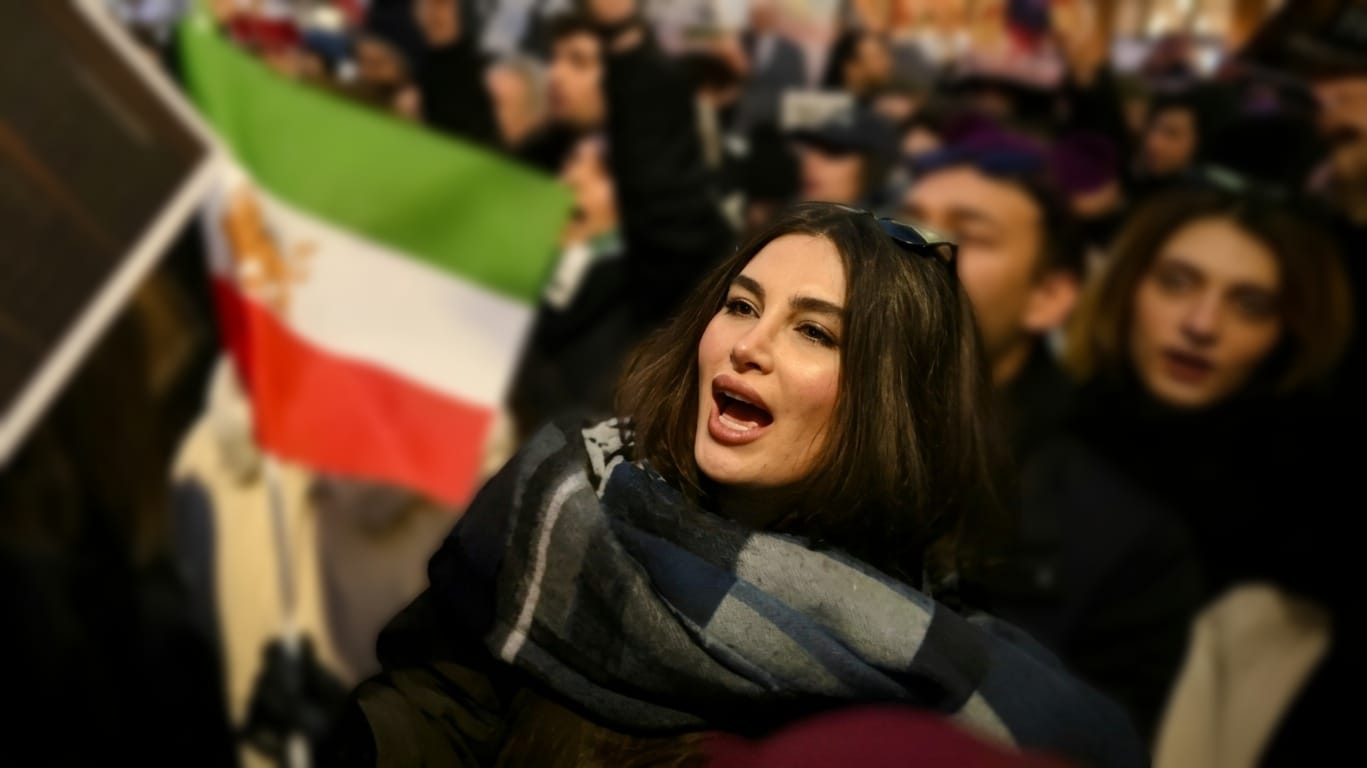
As of 13 January 2026, protests against the regime in Iran continue. However, it is possible that these actions may fail to transform into a general strike against the regime, and given that the regime’s security apparatus remains intact and unified, the protests may eventually lose momentum. Unless the regime renews itself, it is likely that further protests will occur. The regime in Iran has drawn lessons from the mistakes made by the Shah. In particular, the security apparatus in Iran is directly embedded in politics. In any potential revolution in Iran, those who stand to lose the most will not be the mullahs or the formal state leaders, but rather the Islamic Revolutionary Guard Corps. The unrest that might emerge in Iran could lead to a civil war. In such a scenario, the country that must be most cautious is Turkey. For Turkey, the territorial integrity of Iran should be a fundamental principle. Unrest and a possible civil war in a country of 90 million could prove even bloodier than the Syrian Civil War and potentially more impactful at the regional level. For example, the reluctance of US President Trump to intervene militarily may be seen as an indication of this. It is essential that the Iranian people determine their own future. Apart from Trump’s declaration that “we stand with the Iranian people,” it is possible to say that he remains reluctant to activate a serious plan of action. It is likely that the system in Iran will become even more closed and that these protests will be suppressed in a very bloody manner.

In conclusion, the U.S. intervention in Venezuela and the detention of Nicolás Maduro and his wife can be explained through a combination of factors, including energy security, geopolitical rivalry, and systemic power balances. In order to properly understand this intervention, a realist perspective centered on power dynamics and interest-based calculations—rather than idealist assumptions—offers a far more accurate analytical framework.
Nonetheless, the integration efforts of the Sahel Confederation are an example of success the likes of which have not been encountered in the region before, and if they can overcome the economic difficulties that breaking away from France will bring, they can become an important regional power that African countries can take as an example in solving regional problems.
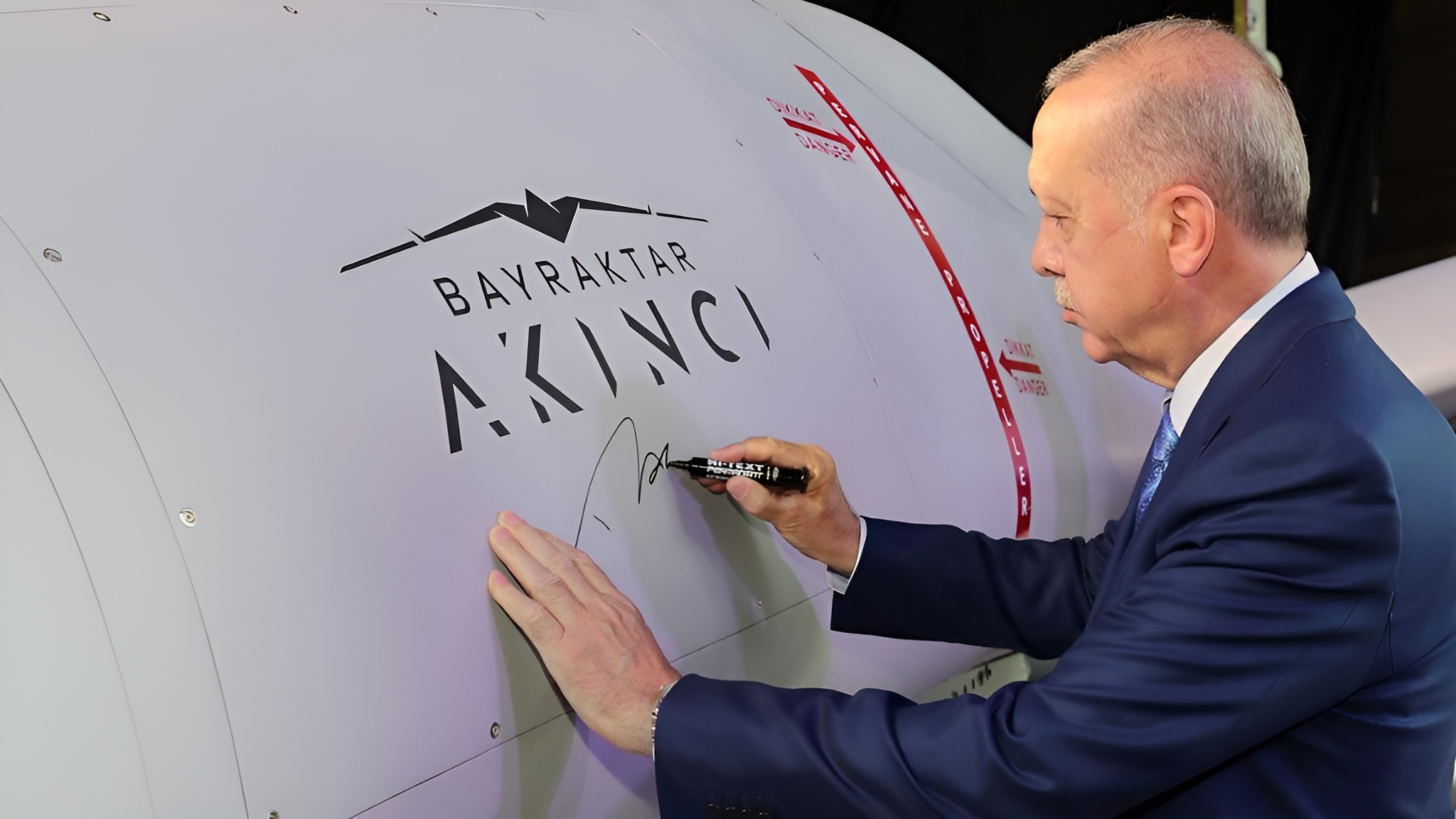
From the contemporary era, first as a supranational empire and then as a nation-state, Turkey has historically been significantly dependent on foreign sources for the production of war materials. This situation has posed a significant threat to the country’s security and a major obstacle to its ability to project power.
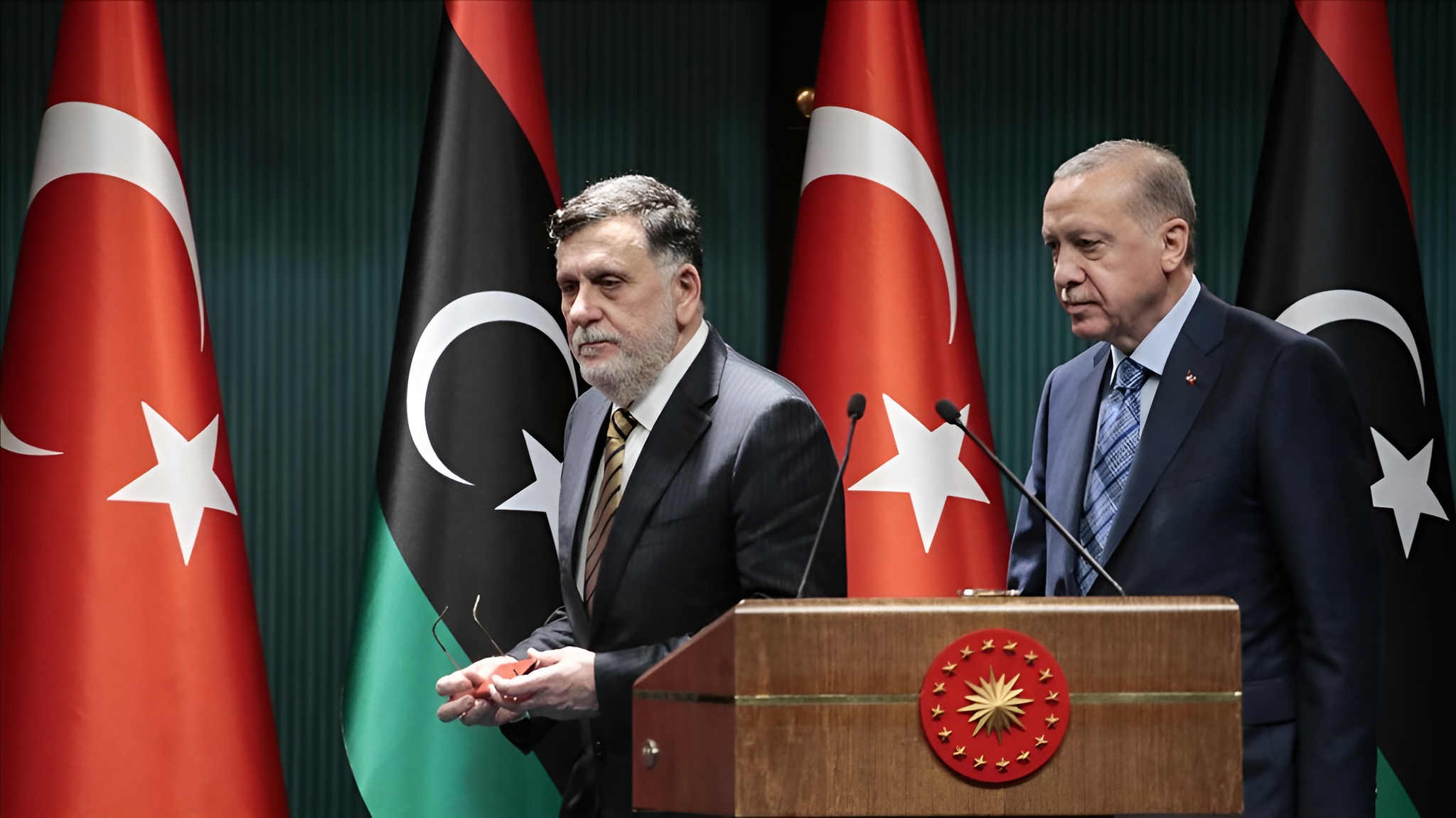
For Türkiye, whose ties to Libya span diplomacy, economy, security and cultural exchange, such a transformation has far-reaching implications. A Libya that regains coherence through constitutional legitimacy will be better positioned to rebuild, reopen, and re-engage internationally. And as the aspirations of young Libyans increasingly shape the environment in which regional actors operate, Ankara has every reason to pay close attention to this emerging movement and the political possibilities it may unlock.