The Eastern Mediterranean’s energy architecture cannot be sustainably built on the notion that one side’s absolute gain must be the other’s absolute loss. Greece’s political flexibility, Türkiye’s physical capacity and Azerbaijan’s resource base are all elements of a single regional equation. They may be in competition, but they are not inherently mutually exclusive. The real task is to bring this competition onto a manageable plane and, over time, to strengthen an architecture in which these pieces can complement rather than undermine one another. From the standpoint of Europe’s energy security, that is the path most firmly grounded in both logic and reality.
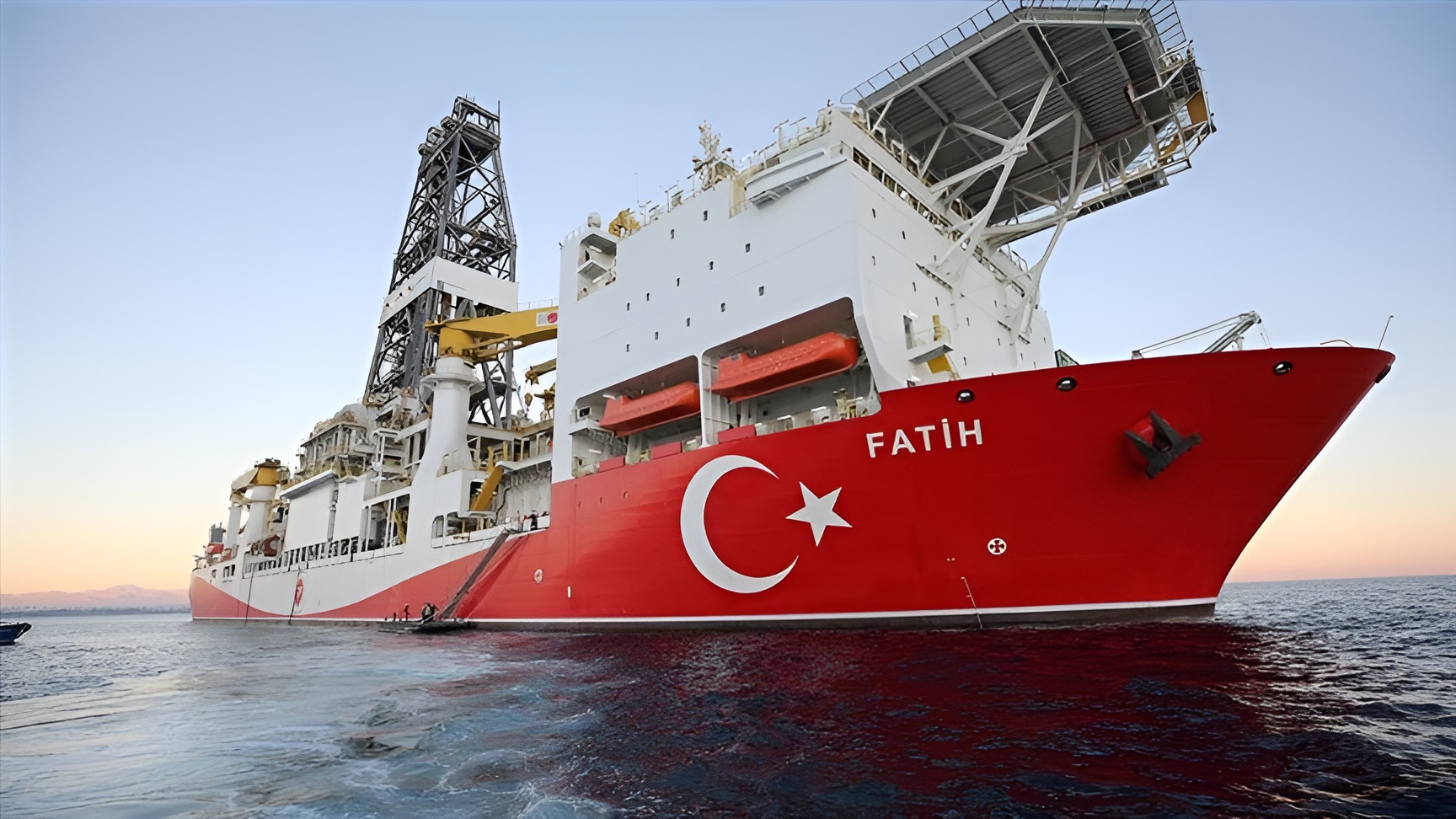
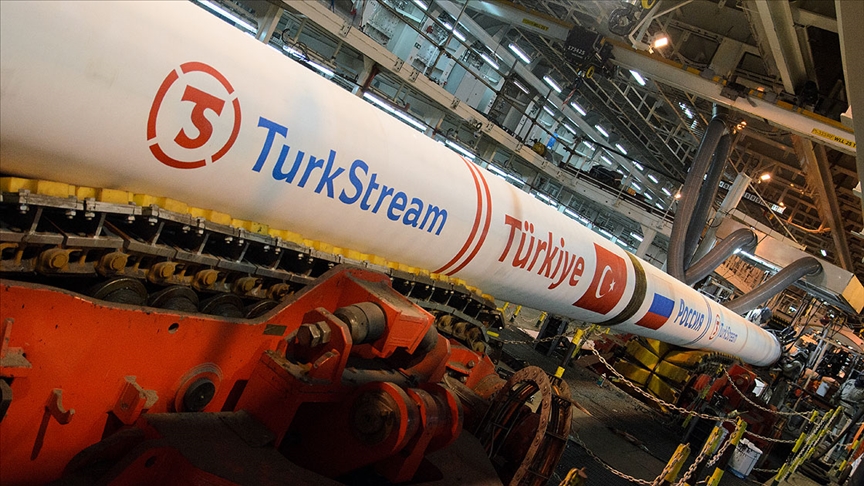
The Black Sea is a testing ground for energy, security, and diplomacy. Türkiye can render the region manageable through real-time risk monitoring and multidimensional response capabilities. TürkAkım remains central to energy diplomacy and regional security policy. Effective technical and diplomatic measures can reduce the potential for conflict and transform the area into a shared security space. Pipelines, coastal terminals, and energy stations symbolize regional stability and diplomatic resolve. Türkiye’s multidimensional Black Sea strategy—combining technical investments, diplomatic coordination, and strategic communication—positions the country to manage the region as both an energy and security corridor. To be continued…

Burada not edilmesi gereken en önemli noktaysa 200 milyondan fazla nüfusu olan ve dini demografisi Hristiyanlarla Müslümanlar arasında yarı yarıya bölünmüş olan bir ülkeye Selefi ideolojinin sıçraması, Afrika’da önü alınamaz bir krizin yayılmasına yol açacaktır.

The report’s “Looking to the Future” section summarizes Congress’s dilemma. Is Turkey a strategic partner or a risk? Congress members weigh geopolitical benefits (Middle East, Black Sea, Caucasus); however, caution is advised due to relations with Hamas and Russia. The report views Turkey’s interest in BRICS and SCO as an “eastern tilt” that threatens US interests. Analysts suggest cooperation in defense technology and rare earth minerals; however, they also emphasize that reforms in democratic rights and freedoms and the rule of law must be put forward as conditions. Congress predicts that the F-35 sale will come to the agenda by the end of 2025 without further delay, and that it will face a choice between the persistent stance of Senate Foreign Relations Committee Chairman James Risch against selling F-35s to Turkey and the opposite policy of US Ambassador to Ankara Tom Barrack. It foresees that this decision will be made together with issues such as rare earth minerals, energy trade with Russia, and normalization with Israel.
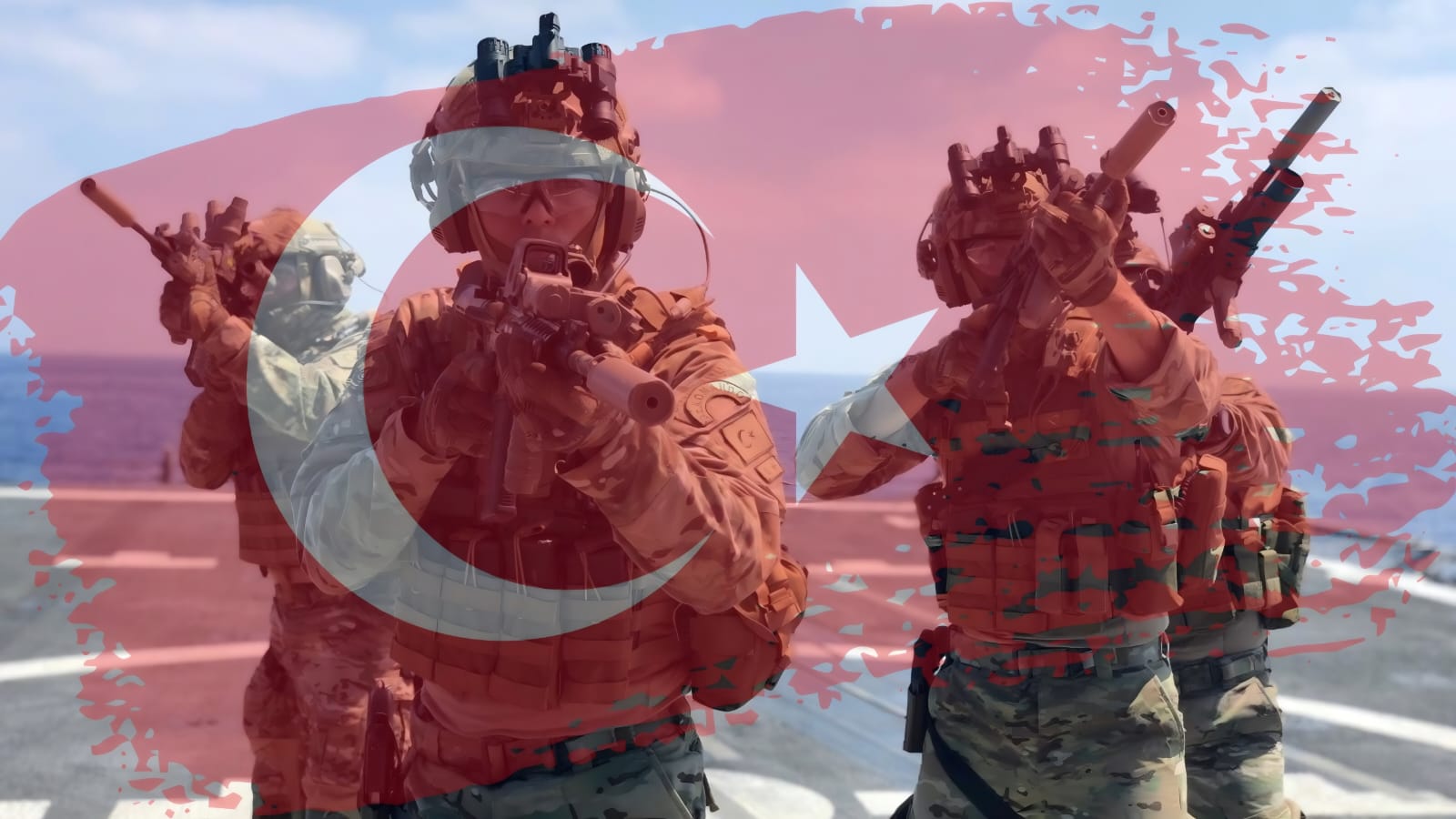
Drawing inspiration from the Ottoman devşirme tradition, a Foreign Legion offers a model that could address modern demographic and strategic needs. The French Foreign Legion and other examples demonstrate the feasibility of such a structure. Turkey’s active foreign policy, demographic constraints, and need for professional soldiery make the Legion model appealing. However, risks such as loyalty, legal regulations, and international relations require careful planning. A Foreign Legion could enhance Turkey’s regional and global influence, adapting to the security dynamics of the 21st century.

Artificial intelligence is becoming not only an economic and technological element but also a strategic force shaping the future of international relations and security policies. Moreover, the Ukraine war has concretely demonstrated the role of artificial intelligence in the field. With its human-centered and risk-based approach, facing the differing models of the US and China, the EU aims to become a global normative power in AI development while also ensuring its own dominance in the digital sphere. The EU has the opportunity to emerge as a reliable actor in global governance with its regulations based on ethical standards. However, Europe faces challenges to overcome. Deficiencies in innovation capacity, the absence of technology companies, and dependence on the US for defense make the Third Way claim fragile. In this sense, increasing Türkiye’s investments in data security and artificial intelligence is crucial for strengthening both its economic competitiveness and strategic capacity. Creating an AI vision supported by a strong innovation infrastructure is critical for Türkiye’s future economic and military position. Zafer Aydın, graduated from the Department of International Relations at Istanbul University’s Faculty of Political Sciences. He is pursuing a master’s degree in the same field at Akdeniz University. An expert in international trade, Aydın works in the management of projects and international event organizations targeting various sectors. His academic interests include foreign policy, international security, and the global economy.
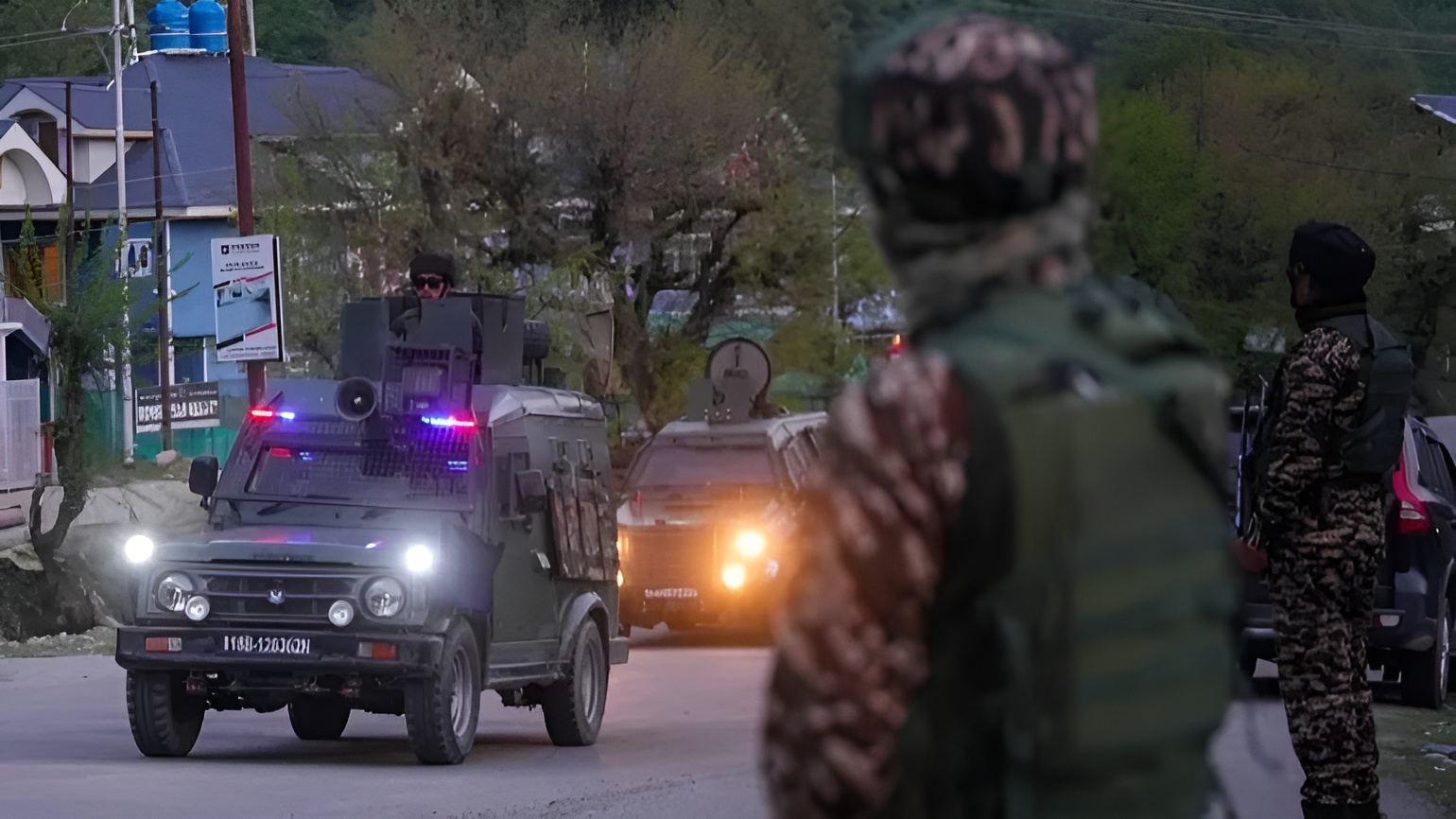
This piece has explored how Indian, Pakistani, and international media framed the April 2025 Pahalgam attack, revealing the strategic political agendas behind these conflicting narratives. By dissecting these accounts, we uncovered how disinformation drives state and non-state goals, intensifying the India-Pakistan conflict and complicating global perspectives on Kashmir. Indian media’s emphasis on terrorism and cross-border threats served to consolidate national unity and legitimize aggressive countermeasures, while Pakistani media’s counter-framing as a false flag operation, bolstered by historical allegations like Chittisinghpora and Pulwama, aimed to evade accountability and portray India as the regional aggressor. International coverage, though striving for balance, often mirrored these biases through source dependency, highlighting the challenges of objective reporting in polarized contexts. Beyond political strategy, these frames expose profound ethical dilemmas: the deliberate dissemination of disinformation undermines journalistic integrity, erodes public trust in institutions, and contravenes international norms on truthful conflict reporting, potentially violating human rights by inciting communal violence or justifying disproportionate responses. Ethically, such manipulations prioritize state agendas over human lives, fostering a media landscape where truth becomes a casualty of power. Psychologically, disinformation exploits cognitive biases like confirmation bias and fear responses, polarizing societies by reinforcing pre-existing prejudices, Hindus viewing Muslims as threats in India, or Indians as oppressors in Pakistan, leading to heightened anxiety, social fragmentation, and a collective trauma that hinders reconciliation. In South Asia’s volatile geopolitics, these dynamics not only escalate immediate hostilities but also entrench long-term divisions, complicating peace efforts. The Pahalgam case thus offers broader lessons for conflict studies: disinformation is not merely tactical but a structural weapon that warps reality, demanding multifaceted interventions. Looking ahead, the proliferation of AI-generated deepfakes and hyper-connected networks will amplify these challenges, necessitating ethical AI governance, psychological resilience training for publics, and international ethical frameworks to penalize manipulative narratives. Only through such holistic approaches can the cycle of deception be broken, paving the way for genuine dialogue in regions like Kashmir.