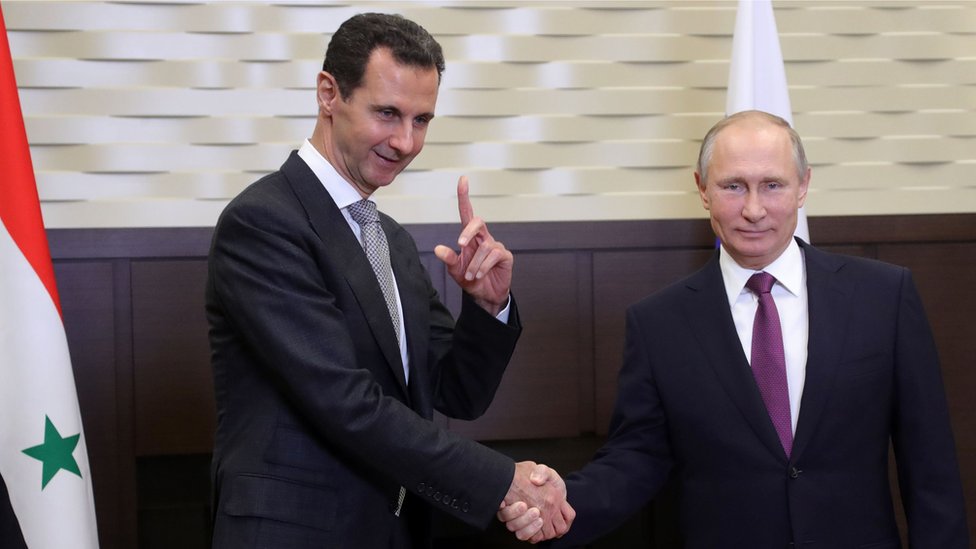
Whether these three scenarios will materialize largely depends on the interests of global and regional powers. The main reason for the regime’s collapse was that the Assad regime did not receive the expected support from Iran and Russia during the conflicts. Israel’s entry into Syrian territory by crossing the Golan Heights and its air strikes show that Syria’s future will be determined not by its own people but by regional and global actors. The main purpose of the air strikes and territorial expansion has been to completely destroy Syria’s military capacity and take control of the land routes going to Hezbollah. The US could achieve its goals by using Israel in this process.

In this case, the question of what needs to be done comes to the fore. Above all, under the military and political supervision of a consortium consisting of neutral countries, a ceasefire needs to be established in Palestinian territories, followed by the construction of institutions and the building of a new process with healthy actors. Of course, this scenario requires the presence of Western powers that have come together with a determined political will rather than being a utopia.

Critics opposing Turkey’s NATO membership often capitalize on prevailing anti-Turkey sentiments. While many voice concerns about Turkey’s diverging foreign policy from the United States, it’s essential to note that nations like the United Kingdom, Germany, France, and Italy also pursue distinct foreign policies aligned with their national interests. Turkey’s unique role and foreign policy stance offer Western allies an avenue to engage with the region through Turkey, without necessarily conflicting with U.S. vital interests. Turkey’s acquisition of Russian S-400 missiles, risking its involvement in the F-35 project, may be seen as a misstep, especially when alternatives like the Aster Air Defense Missiles exist. However, this decision, while significant, doesn’t irrevocably jeopardize Euro-Atlantic security. Other U.S. allies have integrated Russian equipment into their defense systems without similar repercussions. The U.S.’s choice of allies in Syria, particularly support for groups perceived as threatening to Turkey’s security, like the PKK (SDF), remains a contentious issue. While combating ISIS is crucial, supporting groups that might pose threats to Turkey’s stability is viewed skeptically by Turkish citizens. Turkey’s concerns stem from the potential for a PKK (SDF)-dominated Northern Syria to become a launchpad for attacks against its territory. Evaluating Erdogan’s political trajectory suggests he operates more as a Machiavellian politician than a strict Islamist or far-right figure. In this light, his influence is not necessarily more concerning than established far-right leaders like Geert Wilders or Viktor Orban. It’s evident that certain interest groups leverage Erdogan’s perceived shortcomings to manipulate U.S. public opinion and policymakers. While Turkish-American relations have experienced strains over time due to various political shifts, the strategic partnership remains resilient. Ultimately, while leaders like Erdogan may come and go, the enduring relationship between Turkey and the U.S. is vital. Prioritizing long-term strategic interests over fleeting concerns of external lobbies is prudent.
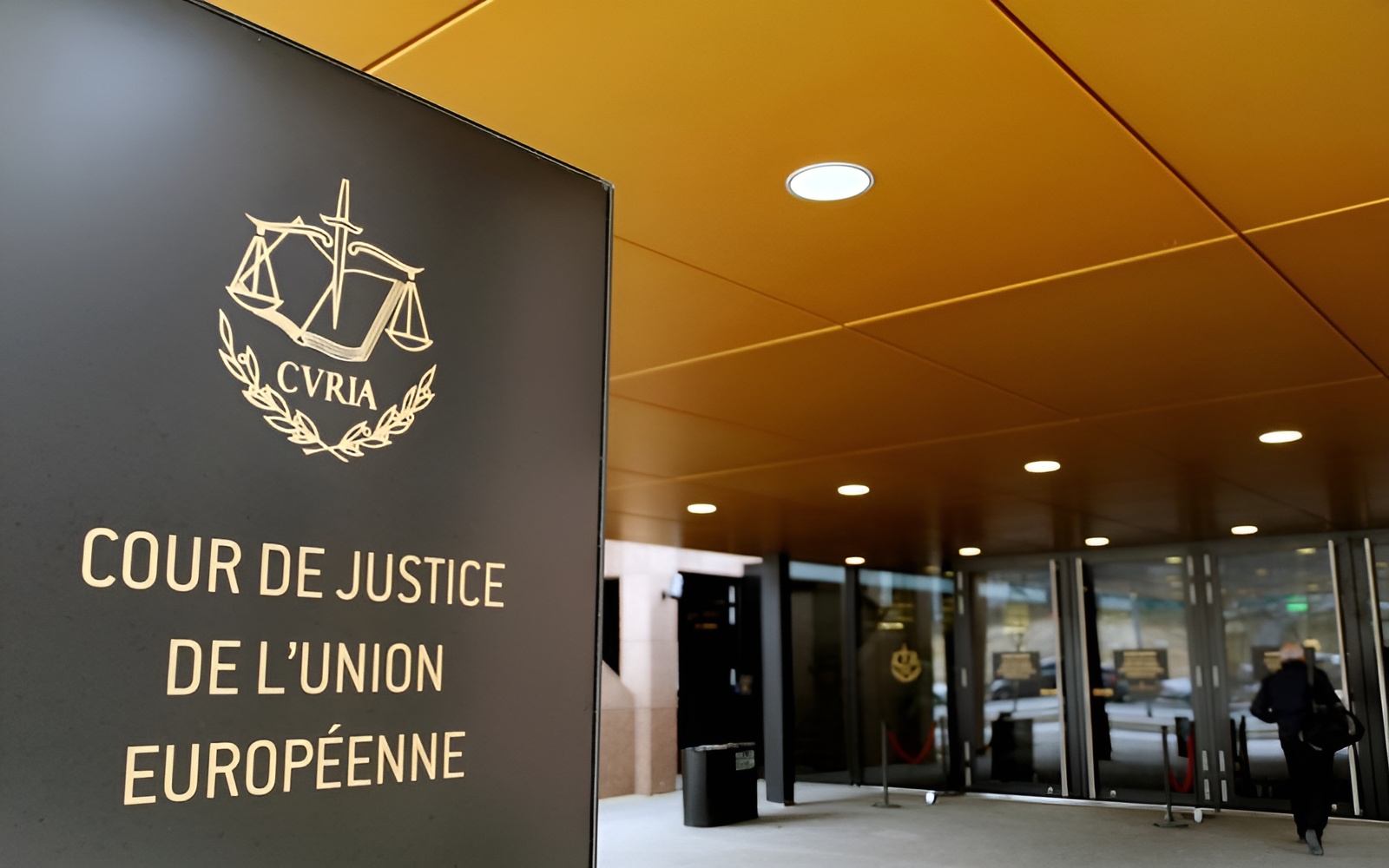
The role of the European Court of Justice is to contribute to European integration via court rulings. Besides, the court assigned itself a role of developing de lege feranda despite the will of the member states. Some appreciate this policy as a progressive step; some criticize this attitude as damaging to the sovereignty of the member states. The Court leans towards more supranational positions over time, while disregarding the Member States’ preferences. It becomes clear that the European Court of Justice is even leans more towards supranationalism than its decision patterns suggest. While the countries enjoy their right to freely determining their preference on foreign policy as a fundamental sovereign principle, the court’s decision forces member states to adopt a policy on an international issue. It is natural that those debates fuel Eurosceptic movements around the Union. These kind of rulings also raise criticism of the EU court for its excess of power and replacing ICJ, which is a UN body. It is important to state that the decision might set a precedent for how similar disputes may be handled in international trade law, potentially influencing future agreements involving other disputed territories. The court’s review of expediency not only reflects the diplomatic relations between EU and Morocco but also affects the economic development of Western Saharan people. While the court considers that the consent of Western Saharan people for the agreement is not asked, it also disregards the reality that nearly half of the population of people of Sahrawi origin is naturalized in Morocco and living in Western Sahara. Furthermore, all Sahrawi people in Morocco can vote and send representatives in Moroccan Parliament and represent themselves in the government while UN-recognized Polisario Front, which represents Sahrawi people, does not hold any democratic elections in the areas they control.

Nevertheless, Turkey’s attempts to position itself as a bridge between Africa and other states of the world in this foreign policy should be evaluated positively. Particularly, China’s recent inclusion of Africa in its belt and road project is an indication of how correct Turkey’s foreign policy is.
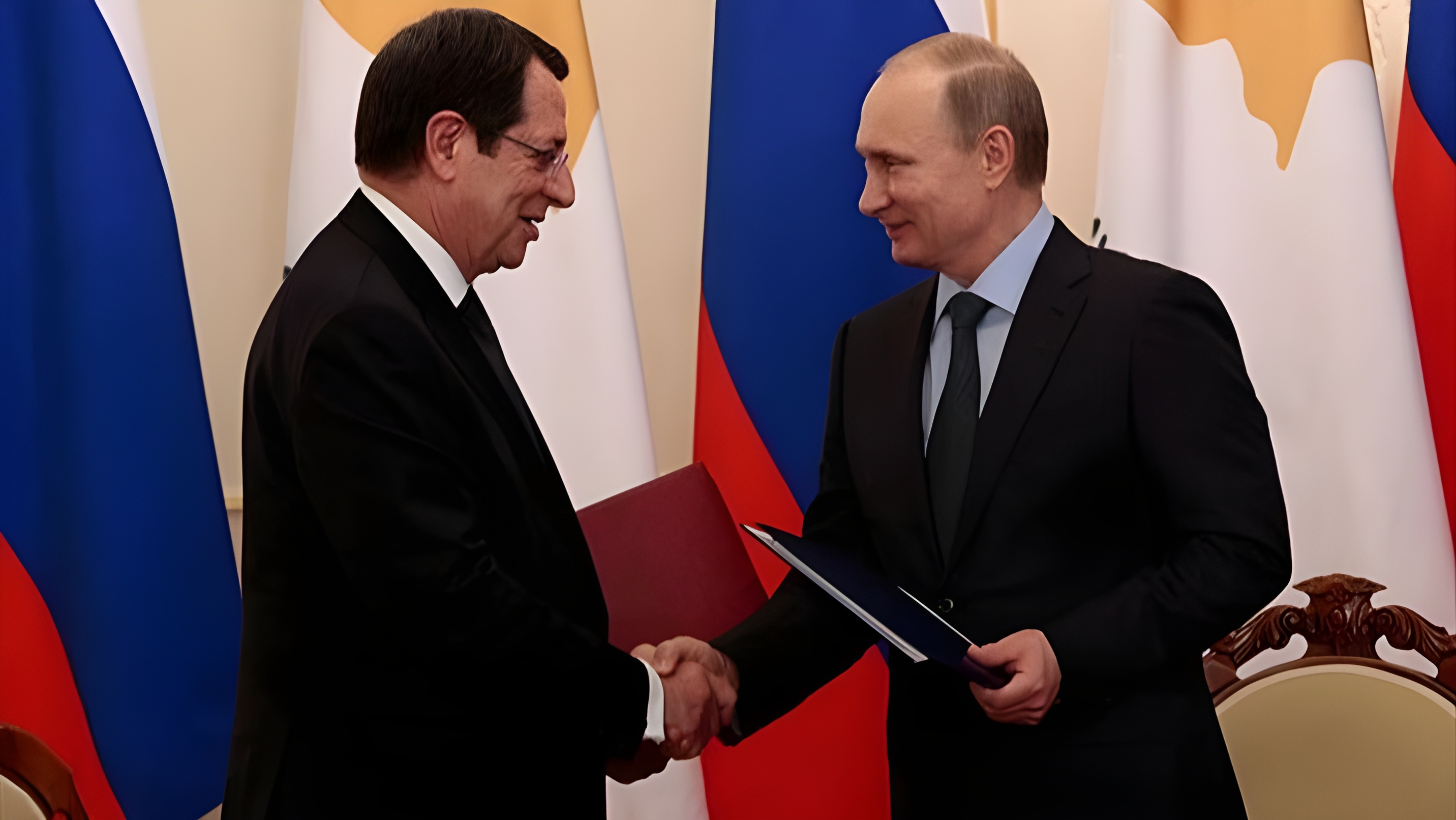
Despite all this, Western support for the south of the island continues. It is understandable that the UK, which has bases in Cyprus, would not interfere in the internal affairs of what it now recognizes as a sovereign state. However, it is noteworthy that the EU has also turned a blind eye to the situation. On the other hand, the same EU did not hesitate to punish Hungary for opposing its policies. Perhaps the most surprising Western support came when the United States lifted its longstanding arms embargo on Cyprus, practically rewarding it and disrupting the military balance on the island. Despite Turkey’s strong reactions, the U.S. did not back down and continued discussions with Cyprus regarding arms sales. Why do the U.S., the UK, and the EU reward Cyprus instead of penalizing it, despite the clear Russian influence right before their eyes?

China’s strength in renewable technologies is a significant element of ongoing diplomatic tensions with the West. While China’s dominance in this sector reinforces its central role in the global energy transition, geopolitical competition between China and Western countries poses serious challenges for global energy governance. The future of the renewable energy field will depend on how these powers navigate their strategic interests, with possible outcomes ranging from increased fragmentation to renewed cooperation. Ultimately, resolving these tensions is crucial for ensuring a rapid and effective transition to a low-carbon economy necessary to address the global climate crisis.
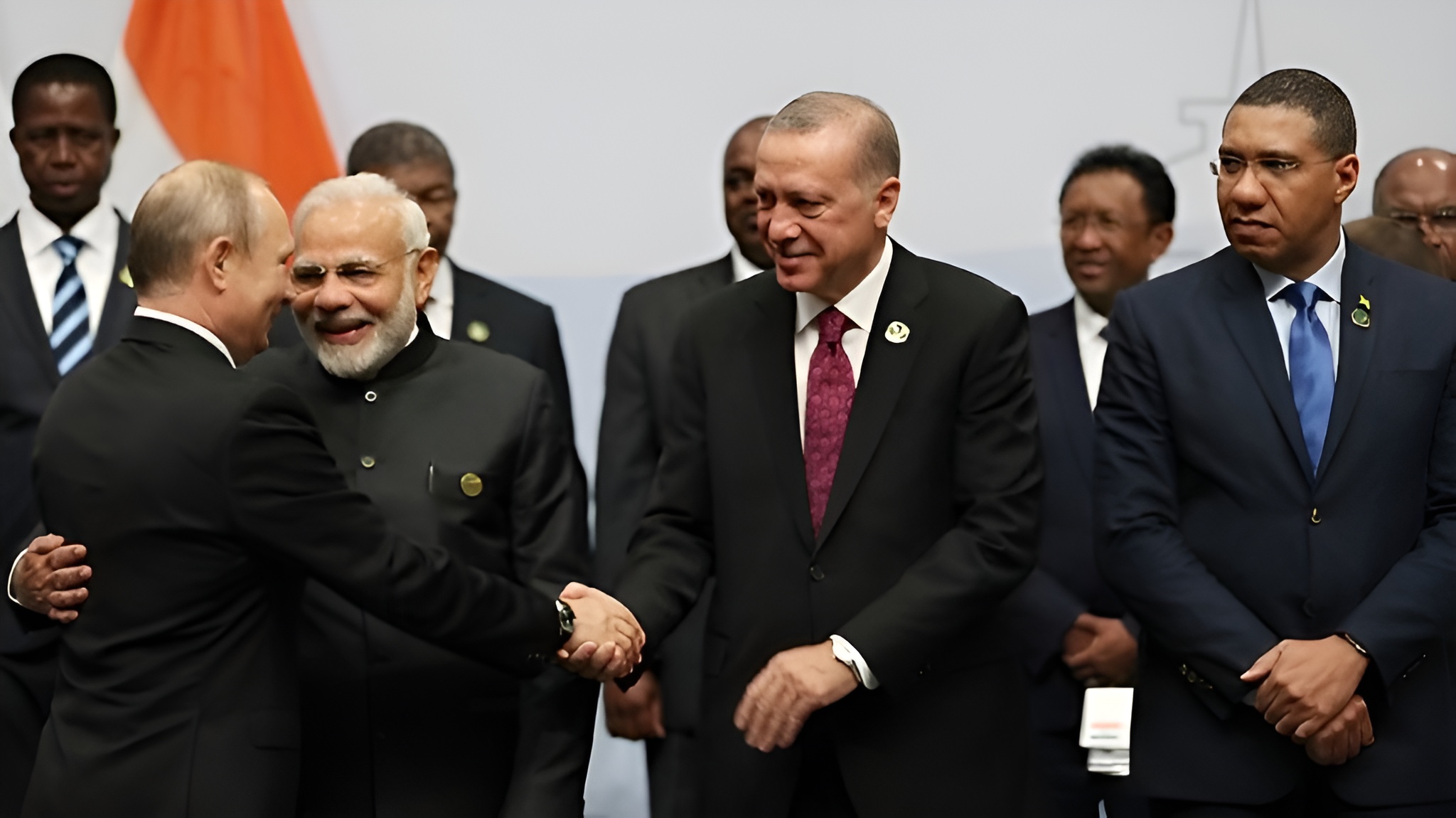
In conclusion, Turkey’s membership in the BRICS poses both potential opportunities and risks. For Turkey to be successful in this process, it should adopt a balanced approach to international relations, manage its economic cooperation effectively, and take strategic steps to strengthen its role in BRICS. In this context, fully assessing the long-term implications of BRICS membership and engaging in a continuous strategic planning process will help Turkey maximize the benefits of this global organization.

As Europe continues to manage the complexities of the energy transition, the lessons learned from the Russia-Ukraine war will be critical in shaping a future where renewable energy plays a central role in both European and global energy systems. This conflict has not only accelerated Europe’s commitment to renewable energy but also reinforced the importance of energy independence and resilience in an increasingly uncertain world.