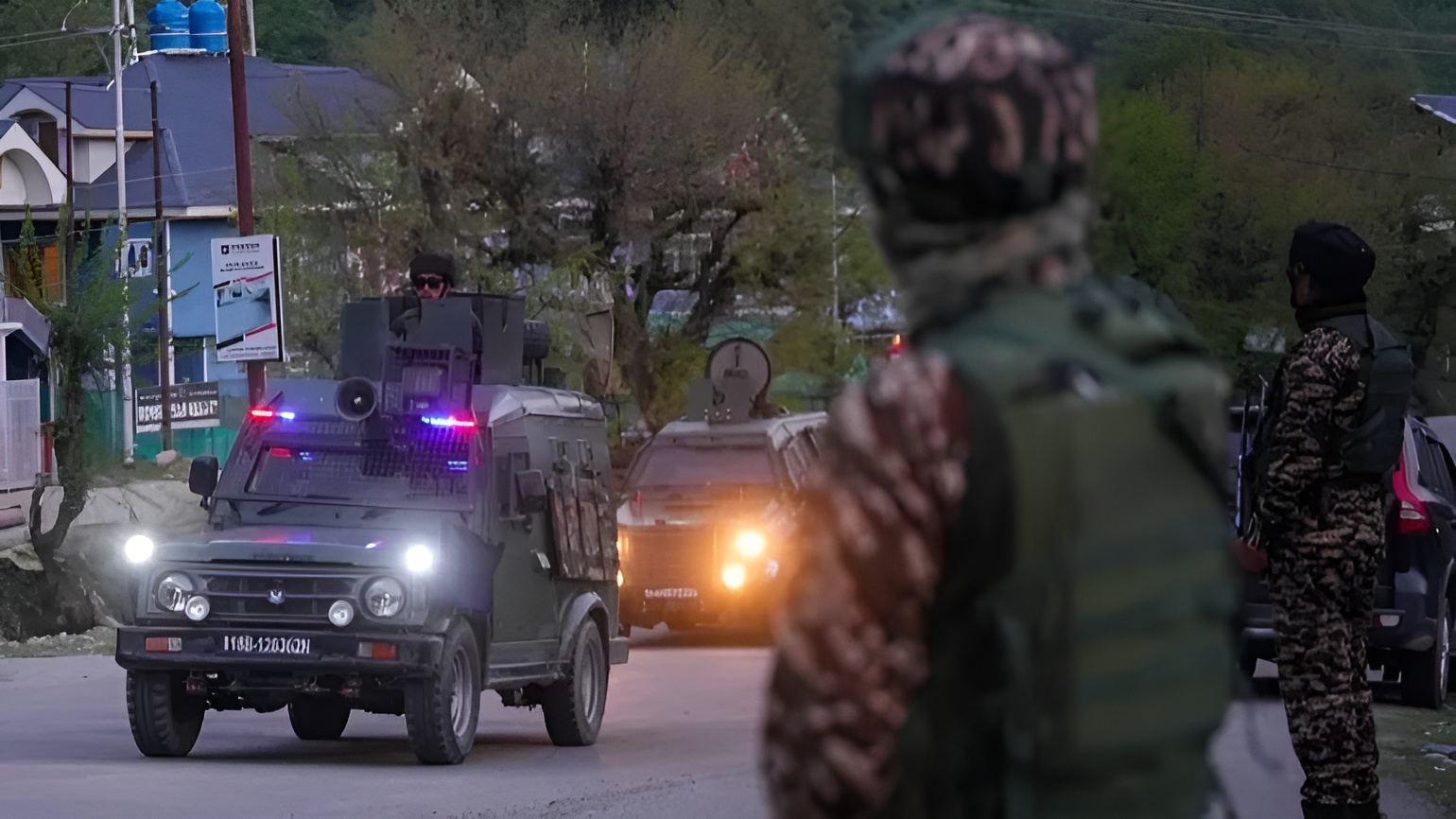
This piece has explored how Indian, Pakistani, and international media framed the April 2025 Pahalgam attack, revealing the strategic political agendas behind these conflicting narratives. By dissecting these accounts, we uncovered how disinformation drives state and non-state goals, intensifying the India-Pakistan conflict and complicating global perspectives on Kashmir. Indian media’s emphasis on terrorism and cross-border threats served to consolidate national unity and legitimize aggressive countermeasures, while Pakistani media’s counter-framing as a false flag operation, bolstered by historical allegations like Chittisinghpora and Pulwama, aimed to evade accountability and portray India as the regional aggressor. International coverage, though striving for balance, often mirrored these biases through source dependency, highlighting the challenges of objective reporting in polarized contexts. Beyond political strategy, these frames expose profound ethical dilemmas: the deliberate dissemination of disinformation undermines journalistic integrity, erodes public trust in institutions, and contravenes international norms on truthful conflict reporting, potentially violating human rights by inciting communal violence or justifying disproportionate responses. Ethically, such manipulations prioritize state agendas over human lives, fostering a media landscape where truth becomes a casualty of power. Psychologically, disinformation exploits cognitive biases like confirmation bias and fear responses, polarizing societies by reinforcing pre-existing prejudices, Hindus viewing Muslims as threats in India, or Indians as oppressors in Pakistan, leading to heightened anxiety, social fragmentation, and a collective trauma that hinders reconciliation. In South Asia’s volatile geopolitics, these dynamics not only escalate immediate hostilities but also entrench long-term divisions, complicating peace efforts. The Pahalgam case thus offers broader lessons for conflict studies: disinformation is not merely tactical but a structural weapon that warps reality, demanding multifaceted interventions. Looking ahead, the proliferation of AI-generated deepfakes and hyper-connected networks will amplify these challenges, necessitating ethical AI governance, psychological resilience training for publics, and international ethical frameworks to penalize manipulative narratives. Only through such holistic approaches can the cycle of deception be broken, paving the way for genuine dialogue in regions like Kashmir.
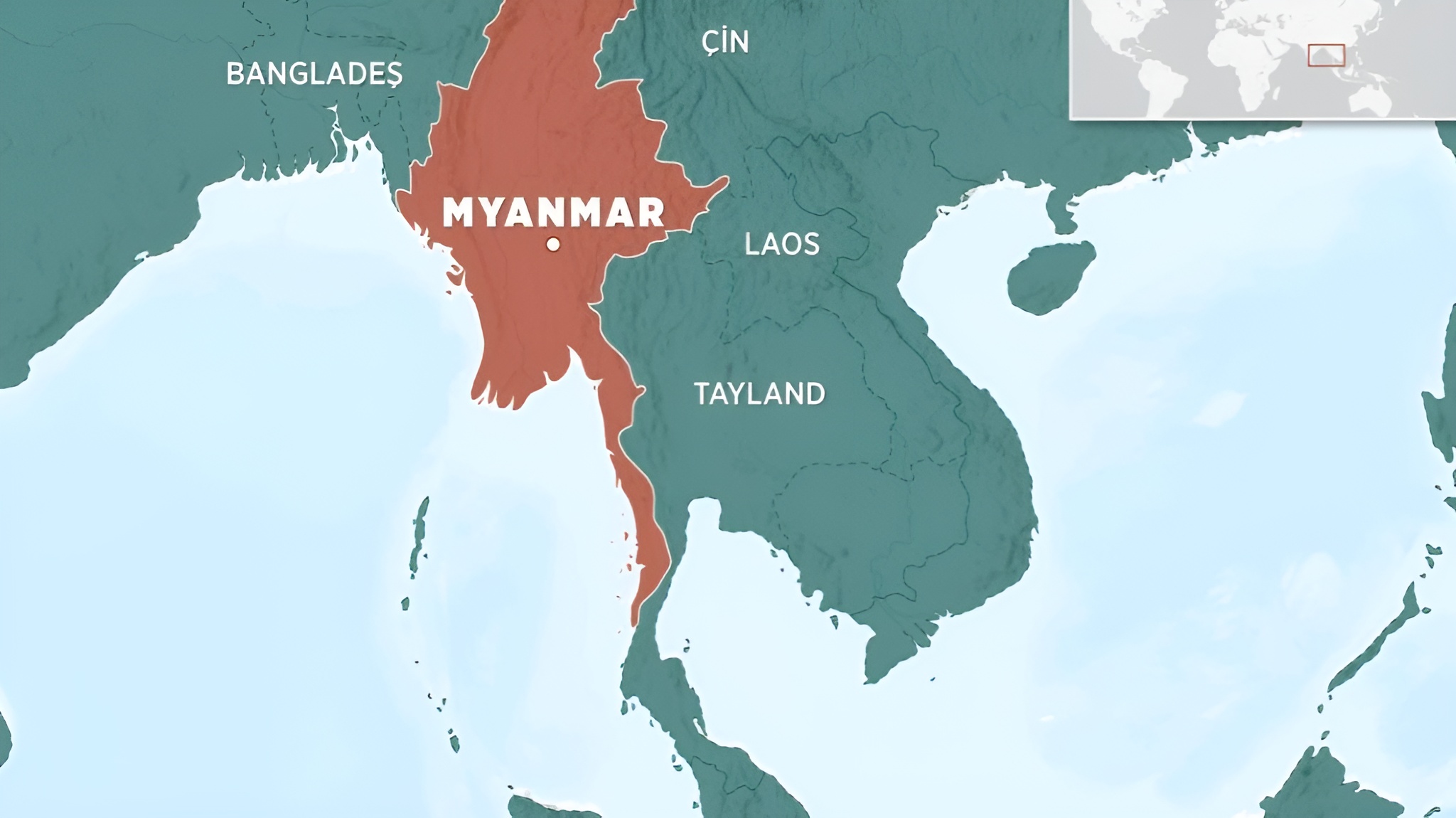
The 2021 coup in Myanmar overthrew China’s most important allies in the region, putting China’s strategic interests in the region at great risk and forcing China to cooperate with the coup leaders. While it is important for China’s goal of ensuring stability in the region that anti-junta democratic partisans do not come to power, widespread public hatred of the junta is still dangerous for China’s interests in the long term. Myanmar’s stability is one of China’s most important strategic priorities. Without the China-Myanmar Economic Corridor, the closure of the Strait of Malacca to Chinese ships and the blockade of China by the chain of islands surrounding its coastline pose a risk that could completely collapse China’s economy. Therefore, in the long term, it is vital for China to simultaneously dismantle both the NUG partisans and the junta regime in order to ensure stability in Myanmar and build a stable structure with friendly actors.
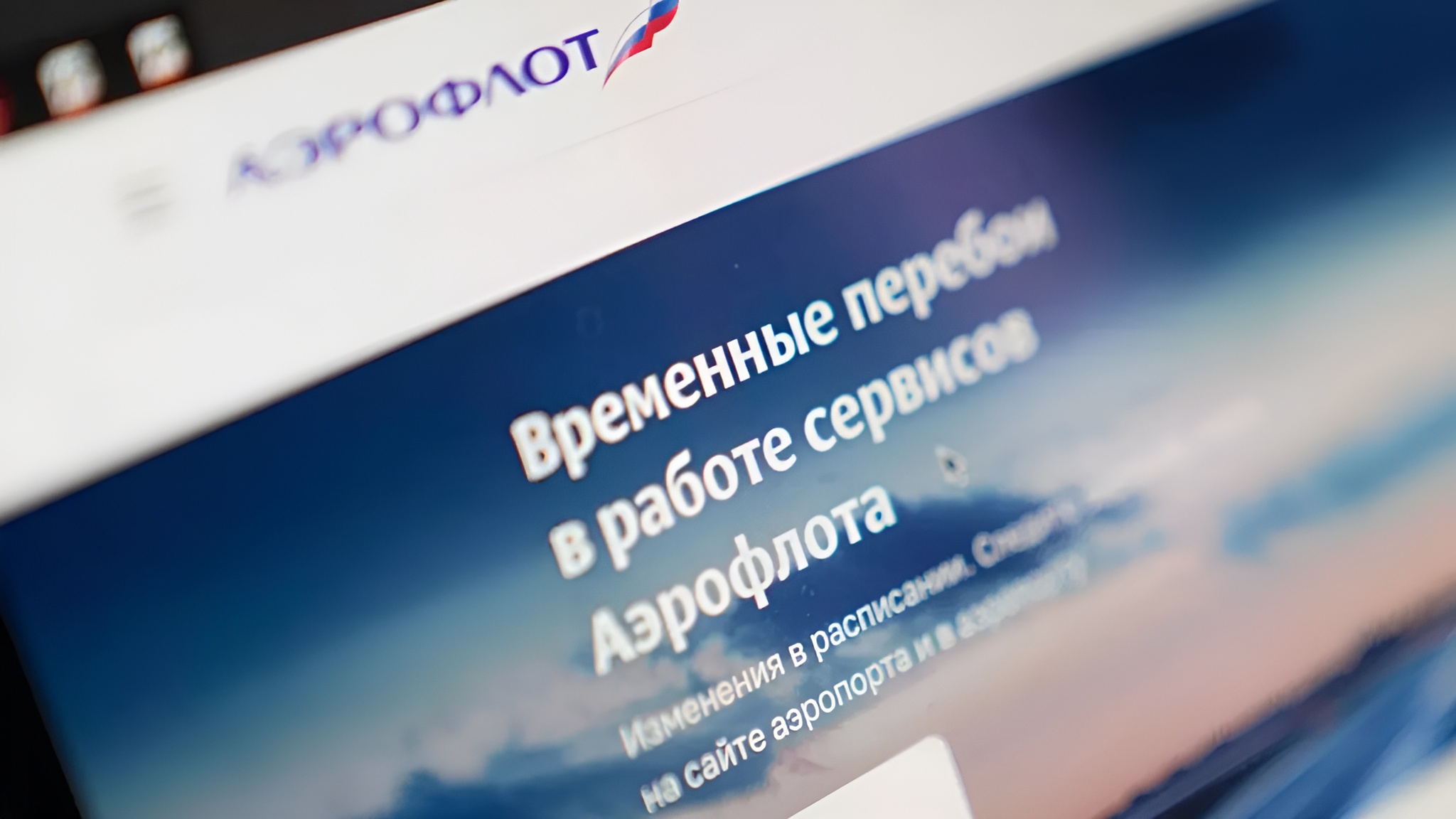
The 2025 cyberattack on Aeroflot clearly demonstrates the importance of cyberspace in today’s international relations. This incident not only brought an airline’s operations to a standstill, but also negatively impacted the perception of trust in international passenger transport and damaged the prestige of Russia, which is currently engaged in an active war with Ukraine. Furthermore, allegations that the airline’s top executive had not changed his password since 2022 and that the company was using outdated operating systems raise serious concerns about personal data protection. The scale of the impact of this data breach remains unknown. The cyber domain, which gained prominence with the Estonia attack (2007), also illustrates the borderless nature of cyber threats in the Aeroflot case. Furthermore, this incident has once again highlighted the necessity of developing defensive strategies against cyber threats. Within this framework, national policy documents are being developed, while at the international level, efforts are being made within the United Nations to develop legal norms, and NATO is developing collective defense policies. These developments demonstrate that efforts to adapt to this field, which is growing asymmetrically alongside technological advancements, are continuing. Ultimately, cybersecurity has moved beyond being a matter of technical infrastructure; it has become an integral element of national security, diplomatic relations, and global economic and security stability. The Aeroflot attack, which took place during the ongoing Russia-Ukraine war that began in 2022, demonstrates that cyberspace can be used as an effective asymmetric power projection platform in the future, just like land, sea, and air, with the capabilities to undermine civilian morale civilians and target infrastructure.
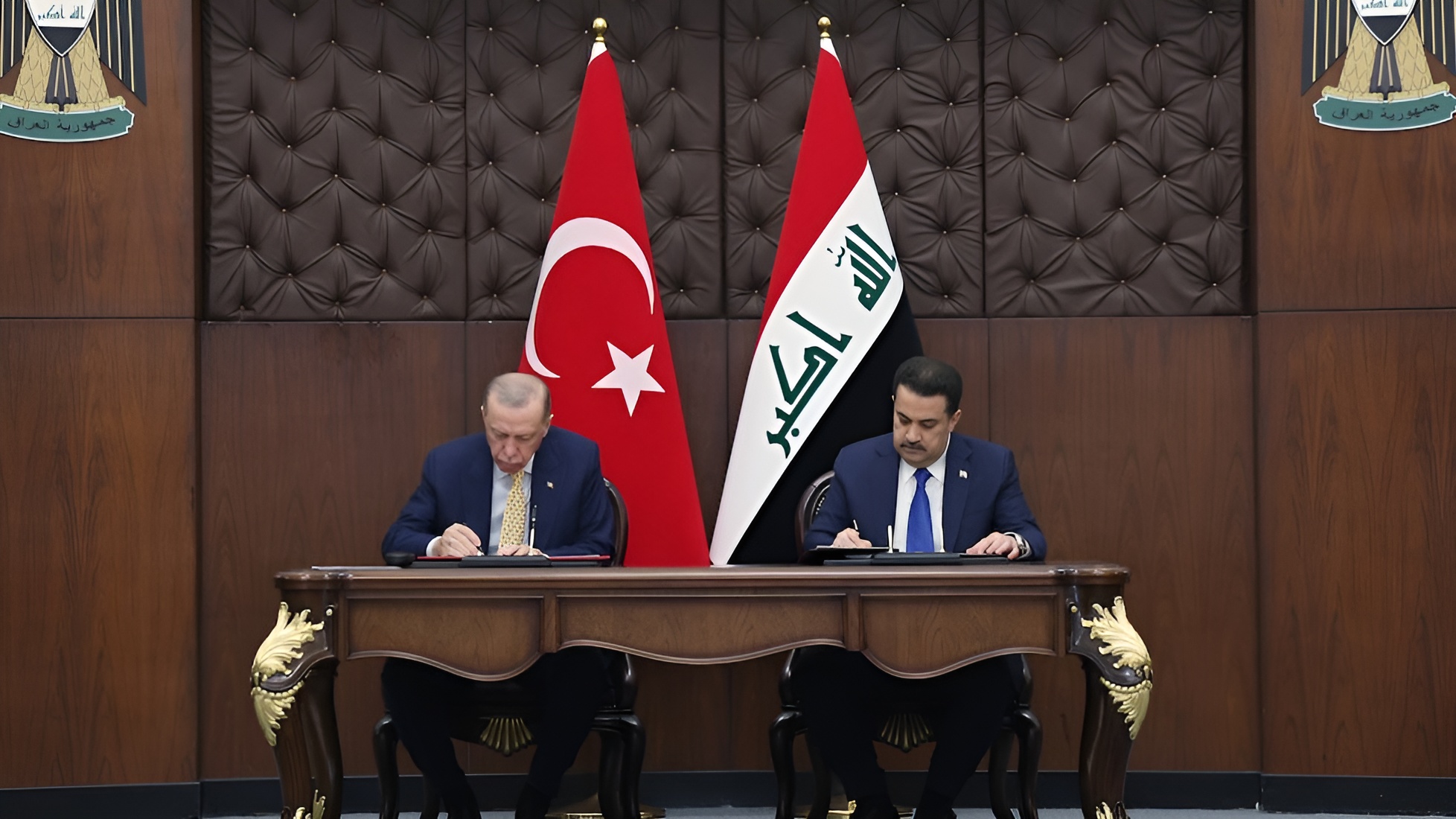
The scale of this potential migration wave could differ from past experiences. Being economically motivated, it may be more prolonged and organized. However, this scenario is not inevitable. With preventive policies, strategic investments, multidimensional diplomacy, and international cooperation, this potential crisis can be averted or at least managed. In an era where the world grapples with migration crises, the concept of Preventive Migration Policy could be comprehensively applied for the first time to address a potential crisis emanating from Iraq. This is not just Turkey’s problem but a critical issue that will shape the future of the region and the international community. Demographic bombs must be defused before they explode. For its own interests and regional stability, Turkey must take action.

Cyprus is one of the cornerstones of international diplomacy today as it was yesterday. For Türkiye, Cyprus is more than just a security issue; it is a symbol of regional influence and historical responsibility. Today’s discussions on Cyprus should be seen in the broader context, from Syria to Lebanon, from the Eastern Mediterranean to the European Union, and should not be confined to the political dispute between the two communities. I would like to conclude my remarks here by referring to a recent development and opening the door to a recent issue. The political process on the island, which has been fragile throughout history, has once again become a turning point that needs to be watched carefully by Türkiye and the Turkish Cypriots, with the elections expected to take place on October 12, 2025, being postponed. In a phone conversation with a journalist colleague who was working in Cyprus, I learned that the public had known for a long time that the election would be held on October 12, 2025; however, the election date was postponed from October 12 to October 19. As a matter of fact, the elections to be held in Cyprus on October 19 will be a critical turn in terms of island politics. It should also be said that this information is not well known to the public on the island. This situation once again reveals how fragile and full of uncertainties the political process on the island is.
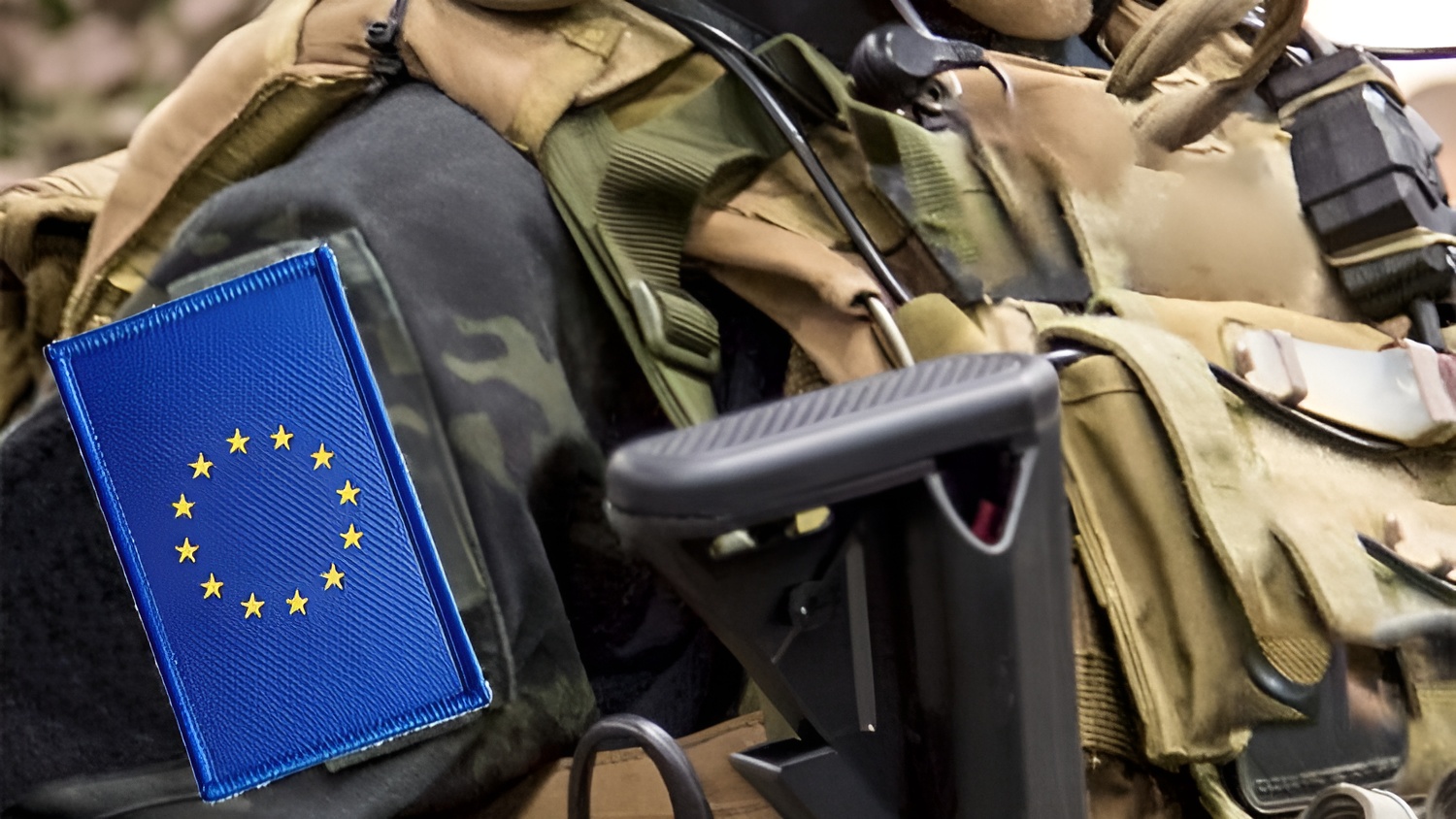
Sonuç olarak Avrupa, daha önce mali yük ve gereksiz olarak gördüğü ve bu şekilde propagandasını da yaptığı savunma alanında, kıtanın gelecekteki güvenliğini sağlamak amacıyla geniş kapsamlı bir yatırım, dönüşüm ve entegrasyon süreci başlatmış durumdadır.
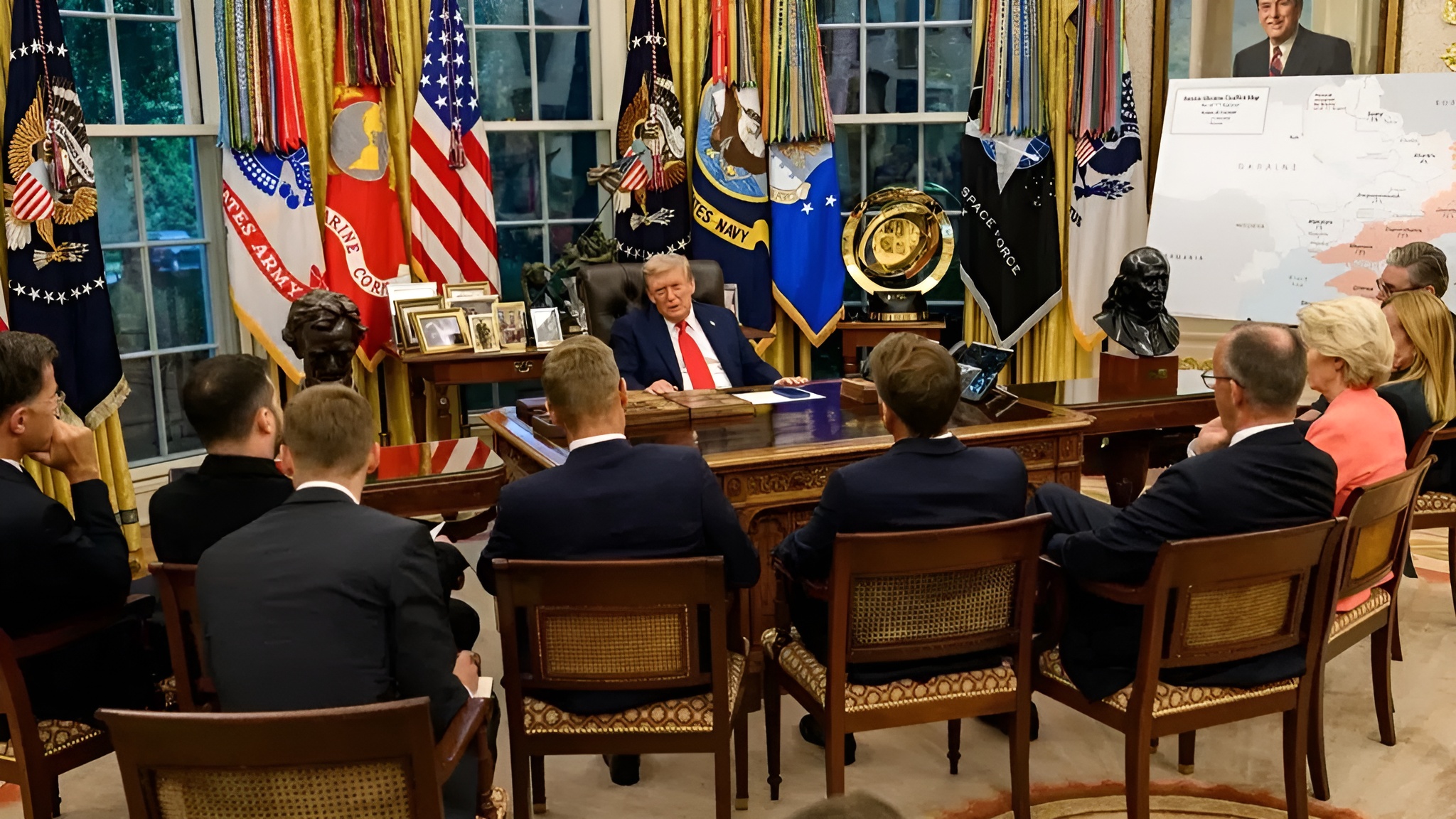
Trump’s presidency signals a profound shift in the ideological axis of transatlantic relations. The traditional Western alliance, built on liberal democratic values since World War II, risks shifting toward a conservative and nationalist framework, deepening ideological divisions within the Western world. This approach could weaken the role of principles such as democracy, human rights, and the rule of law in international relations, contributing to the emergence of a new world order based on power politics. On the other hand, Donald Trump’s active role in European politics and his support for the continent’s populist right movements demonstrate that he is not a mere isolationist but a leader seeking to reshape the global order according to his vision. Rather than leaving Europe to its own devices, Trump aims to alter the continent’s power dynamics to better serve America’s interests through new partnerships. The success of this strategy depends on several factors: the electoral success of Europe’s new right movements, the extent to which these movements can sever their historical ties with Russia, the response of Europe’s traditional elites to Trump’s approach, and the strategies Russia develops in response to this new dynamic. What is clear for now is that Trump’s presidency has initiated a profound transformation in transatlantic relations, opening the door to a new era in European politics. This transformation signals a shift from the traditional Western alliance, rooted in liberal democratic values, to a new international system based on pragmatic and ideological foundations. Ultimately, Trump’s relationship with Europe’s new right movements has the potential to impact not only the future of transatlantic cooperation but also global power balances and the fundamental structure of the international system. For this reason, Trump’s European policy stands out as a strategic choice that warrants close attention, not only on a regional but also on a global scale.
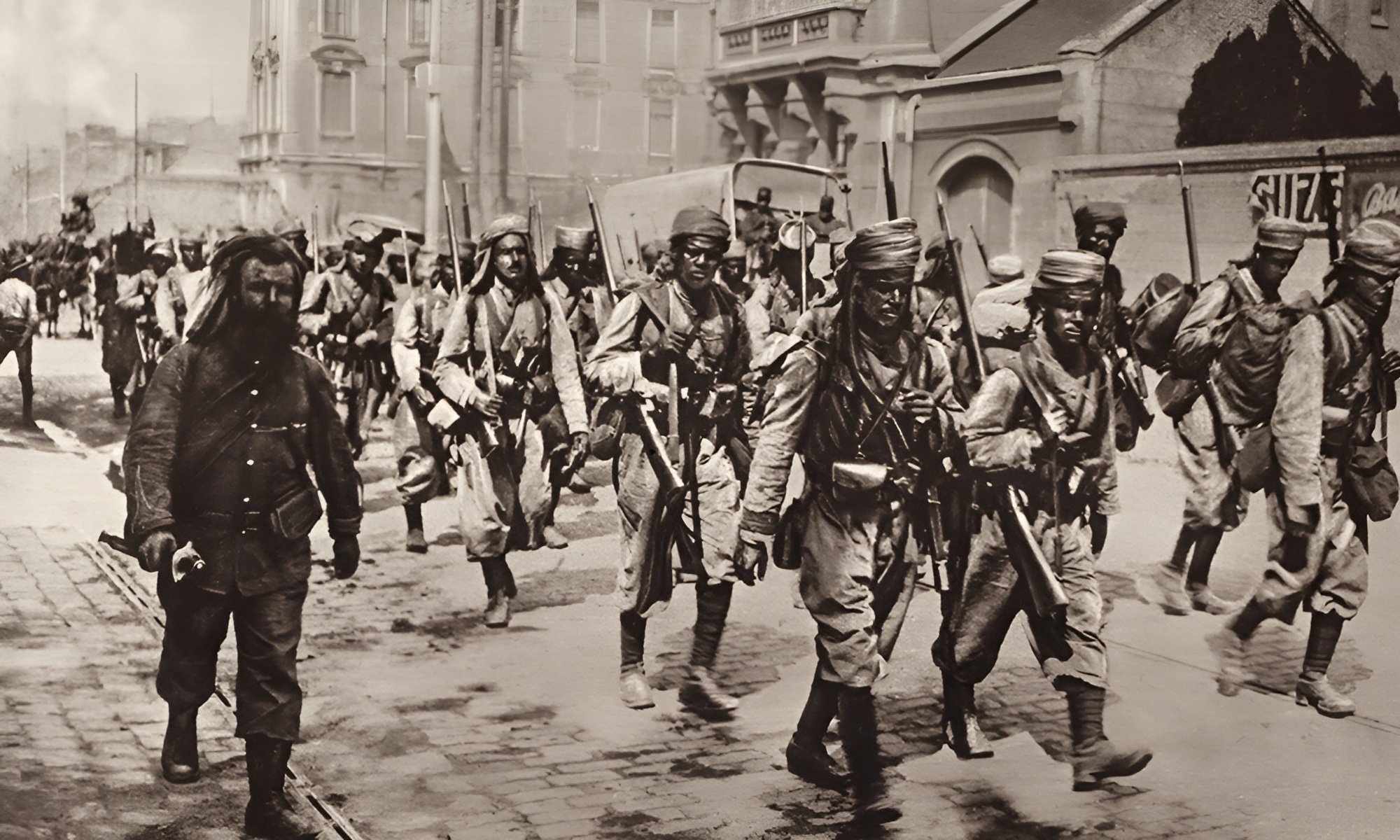
The France–Algeria crisis is not just another diplomatic dispute—it is the product of decades of historical grievances, competing regional policies, and shifting global alignments. Economic ties, while still important, can no longer protect the relationship from political shocks. Migration has moved from a shared management challenge to a tool of pressure, directly affecting citizens and businesses on both sides. Security cooperation is weakened by deep differences in approach, amplified by the Western Sahara dispute and Algeria’s growing ties with non-Western powers. Unless both sides take small but concrete steps—restoring consular dialogue, keeping diplomatic channels open, and separating sensitive cases from political bargaining—the relationship will remain fragile and prone to sudden escalations. In an interconnected world, this fragility has consequences far beyond the Mediterranean, touching Europe’s migration flows, energy security, and regional stability in North Africa and the Sahel. This crisis tests the resilience of France–Algeria relations and highlights how former colonial powers and independent states struggle with their shared past in a changing global order. Most notably, it demonstrates how migration rules, visa regimes, and economic policies, which are policies that directly affect the daily lives of ordinary people, can be weaponized for political motivated agenda.
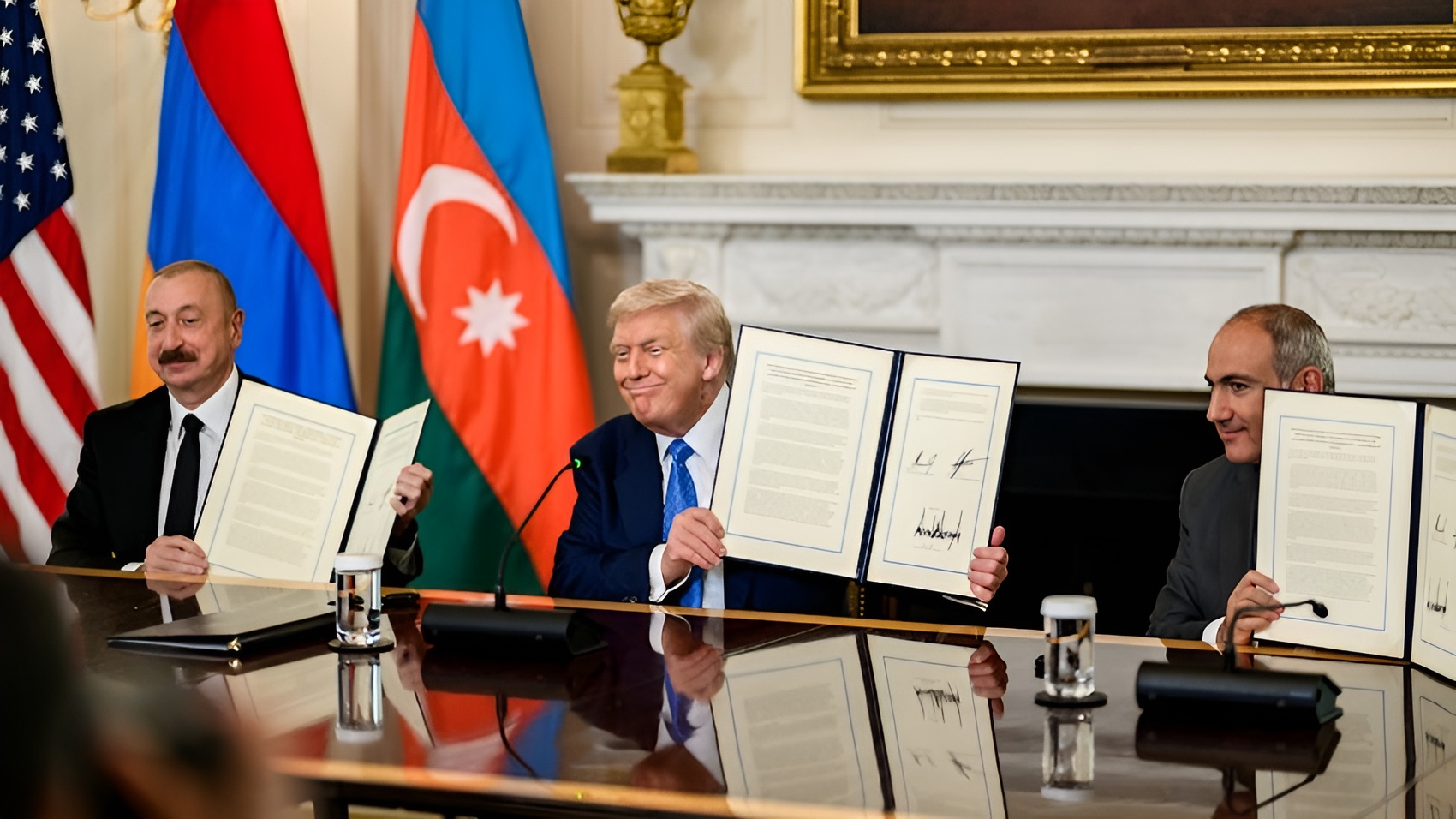
It is worth noting that everything still remains highly uncertain. Among the provisions signed publicly, there are many conditions that have not yet been clarified, and it is unclear how other regional agreements will be affected if TRIPP comes into effect. At the forefront of these issues lies the common customs regime established by the Eurasian Economic Union (EAEU). Since Armenia is a member, products passing through member states are required to comply with EAEU regulations. Therefore, every product passing through this corridor, which falls under Armenia’s sovereignty, will technically have to conform to EAEU standards. This may limit TRIPP’s effectiveness. Uncertainty also continues regarding the corridor’s status. It is difficult to predict what problems this ambiguity might create in the future, but the question of who will provide security for the corridor is the most crucial factor in this uncertainty. If the United States assumes responsibility, it would mean the deployment of American troops in the region—something that could justify Iran’s fears. With Moscow no longer at the table, Russia may instead, possibly together with Iran, seek to assert itself through different means in the region. Since the start of the Ukraine War, although Russia has accepted defeat on some fronts, it has generally responded possible threats with force. This could potentially lead to new proxy wars and even the emergence of terrorist organizations in the region—developments we may not currently expect.